
Ukrainian musical heritage is full of hidden depths. It has carried resistance and passion through centuries of turbulent historical change. But what makes this music so distinct from the art of other cultures?
Our VATAHA reporter Eugenia Bocancia interviewed two talented artists from Ukraine—sisters Victoria and Bozhena Hamar—who play two of the country’s most iconic instruments: the bandura and the sopilka. If you have never heard of these instruments before, you are not alone. These traditional sounds are still relatively unknown outside Ukraine, but both sisters are working to change that. Having only recently started working together on a big stage, both sisters embrace their Ukrainian origin and promote Ukrainian music to European audiences. Thus, their story shows how Ukrainian music is being actively redefined by young artists abroad. It also reflects the broader reality of emerging musicians: building careers across borders while navigating limited recognition and new professional spaces.
Introduction to Ukrainian musical instruments
Ukrainian music is full of history, hope and beauty. For each generation of Ukrainians, there were special ways of capturing every type of experience: from daily life and tragic historical events to joyful occasions. This is where folk music drew its inspiration from.
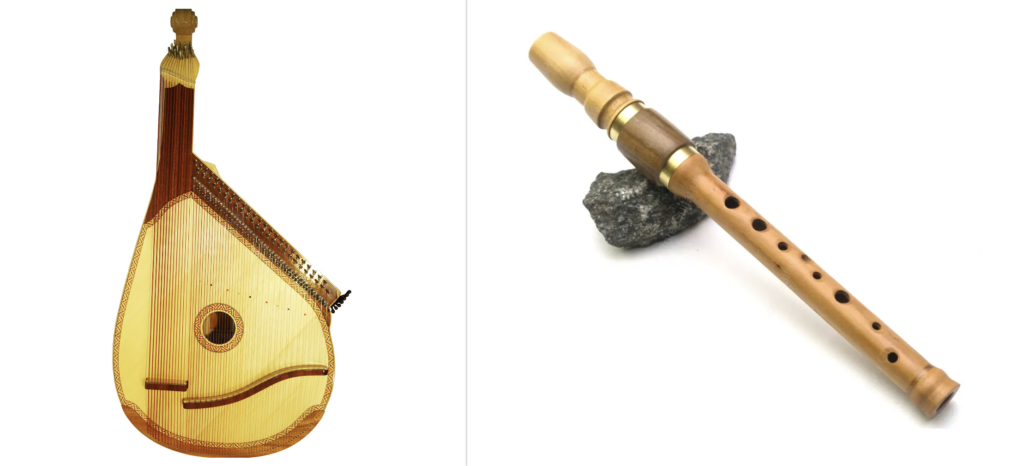
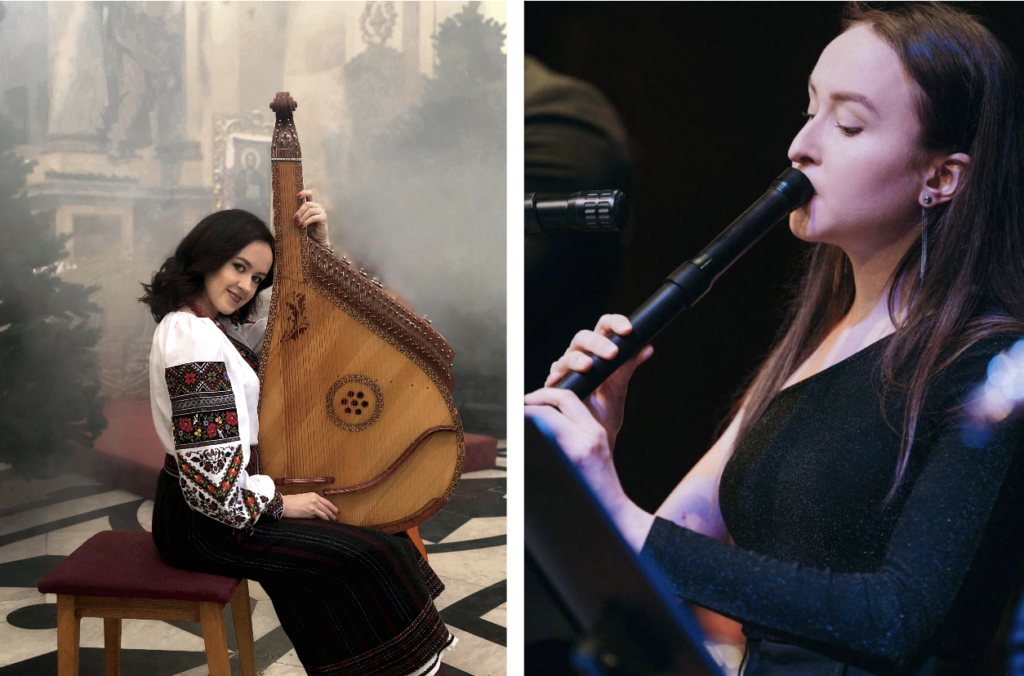
The folk bandura is a plucked string instrument that combines elements of the lute and the zither. It became a “modernised” version of the kobza, its musical ancestor from the 15th century, starting in the 17th century. Its name originates either from Latin or from the Greek “pandura.” It became a voice of the rural population, Cossacks and artists. In the 20th century, the number of strings increased significantly, from 12th in the 18th century to up to 68 strings, which are used on modern “concert” instruments since the 1950s.
The sopilka, in contrast, originated from a fife. Historically, it typically had six to ten finger holes. However, in the 20th century it has transformed towards a 10-hole chromatic system, which allowed it to integrate sopilka into academic music education and professional music world. and can be made from a variety of materials, most commonly elderberry or viburnum wood. It is one of the oldest Ukrainian woodwind instruments, with its earliest mentions dating back to the Paleolithic age. At first, it was solely a folk instrument, played by shepherds or by trios at celebratory occasions.
Meet the Hamar Sisters
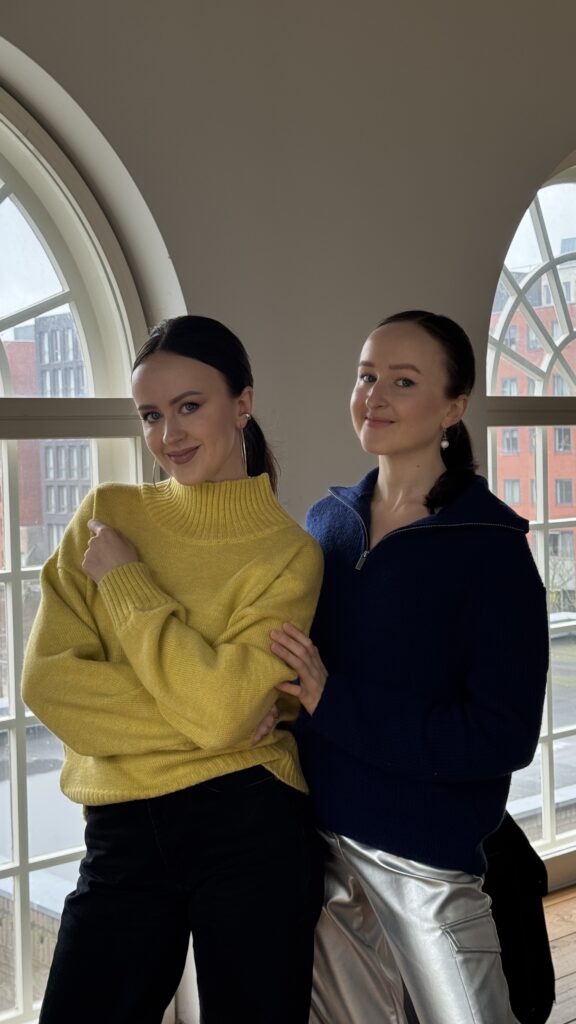
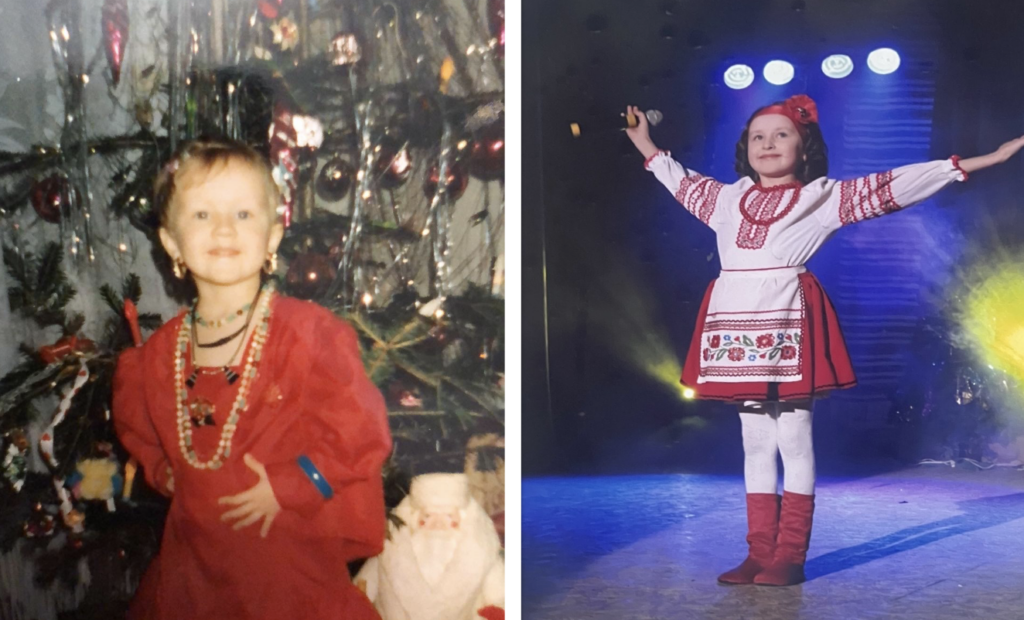
As a backstory, the Hamar family is a family of musicians: their great-grandfather was a violinist, their grandmother had a unique low voice known as a contralto, and their parents were teachers at a music college. This explains why “music is part of our DNA.” They first took up playing the piano, then Viktoriia picked up the bandura at the age of 10. For Bozhena, the choice to play the sopilka was inspired by her father, who masters ethnic wood instruments, and was initially thought to be a temporary passion.
“That passion for music was there even before I was fully aware of it”
When asked whether they fell into music out of convenience or genuine interest, both mentioned that, apart from it being a natural choice in such an environment, they would not trade it for anything else and were never pressured into it. As a result, pursuing higher musical education came quite naturally, especially for Bozhena. “Music is not only about me—it’s about how it affects people,” she told us. For Victoria, on the other hand, such a choice was one among many, as she strived to find a balance between music and other professional interests, such as ballroom dance.
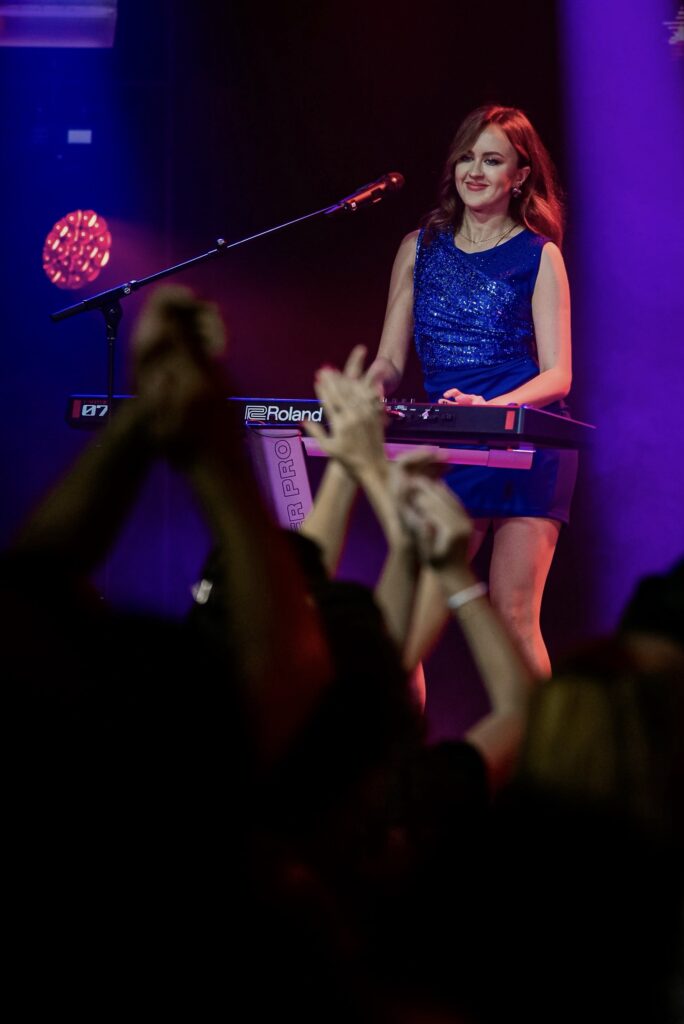
Pursuing Music as a Career
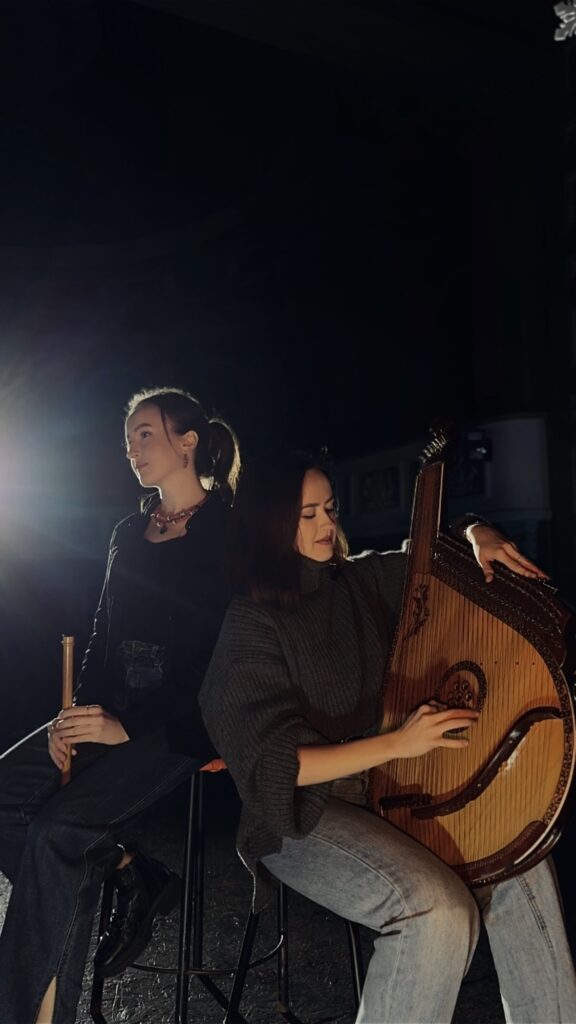
In discussing how musicians build their careers, Hamar sisters also highlighted the importance of sharing authentic music as independent artists. Many young professionals—or people who take up music later in life—experience fears associated with advancing a professional career in the music industry. There are many prejudices and limiting beliefs surrounding this path, as “many people underestimate music as a profession and don’t understand what it entails.” For many, these doubts are tied to financial concerns and the fear that a career in music may not be stable in the long term.
Both Victoria’s and Bozhena’s examples show that each artist finds their own way to express emotions and tell deep stories. For instance, for Bozhena, music is not just about personal expression, but also about its impact on other people. As both Ukrainian artists point out, there are many self-teaching methods, and one can become a musician at any age, regardless of professional or educational background. “Music is such a flexible discipline—you can create your own path,” Victoria notes. Nowadays, musical representation is fluid, with a wide variety of styles being presented. Despite their seemingly straightforward path into music, their development reflects this flexibility: growing up in a musical environment, they later pursued formal education in a musical college while continuing to explore different performance styles and their own artistic purpose and identities.
Music as Healing and Cultural Expression
Returning to the authenticity that artists bring into the world, Bozhena emphasised that she truly believes music helps heal audiences in ways they might not expect, as she sees her music as a form of therapy—a way to heal and bring joy. “It’s not only a passion that makes me happy, but something that makes people around me happy too,” she says.
“Music can be like therapy, especially in difficult times”
For international audiences, Ukrainian instruments spark curiosity and connection through music. In this case, people genuinely wonder why they have never heard bandura and sopilka before. As Bozhena pointed out, international audiences often perceive it as a “breath of fresh air.” The space for introducing Ukrainian music globally has also widened since 2022. People abroad are more willing to invest in the representation of Ukraine through charity events, concerts, fundraisers, and professional partnerships (see links to VATAHA’S 2026 memorial events and our 2024 Evening of Hope charity evening).
Ukrainian musicians’ efforts and talent are increasingly recognised and appreciated. Viktoriia emphasised that it is not a one-sided story: Ukrainian artists are also striving to promote exchange with other cultures. The Hamar sisters are a strong example of Ukrainian representation abroad—something that many international partners warmly welcome. What feels even more significant is that, despite the ways Ukrainian culture has been endangered for centuries, music remains fluid and carries immense historical weight as one of the most powerful forms of expression. “Music became a historical document that carried the truth,” Viktoriia explains.
Duo Debut and the Role of Cultural Representation
Beyond learning about Ukraine’s cultural heritage, music also creates space for creativity, collaboration and solidarity. The Hamar sisters shared that they had never previously worked together on a major project due to being at different stages of their lives, and also given their six-year age difference. This year, however, they felt that a change was needed. As Bozhena said, it felt like it was “the right time to connect our forces.”
In February 2026, they had their duo debut, which started here in the Netherlands, starting from privately-organised events for Dutch audience in Amsterdam, and ending with their appearance in VATAHA-organized memorial ceremony in Rotterdam and Zeeland, to commemorate the anniversary for four years of full-scale invasion. They received very positive feedback and are eager to continue collaborating as sisters. The Hamar sisters believe they are ambassadors of Ukrainian musical heritage, which, in times of ongoing crisis, feels even more important to share. Ukrainian music is not just art—it embodies centuries of resistance. “Through music, we have preserved our history and identity,” the sisters conclude.
“We want to continue promoting Ukrainian culture together”
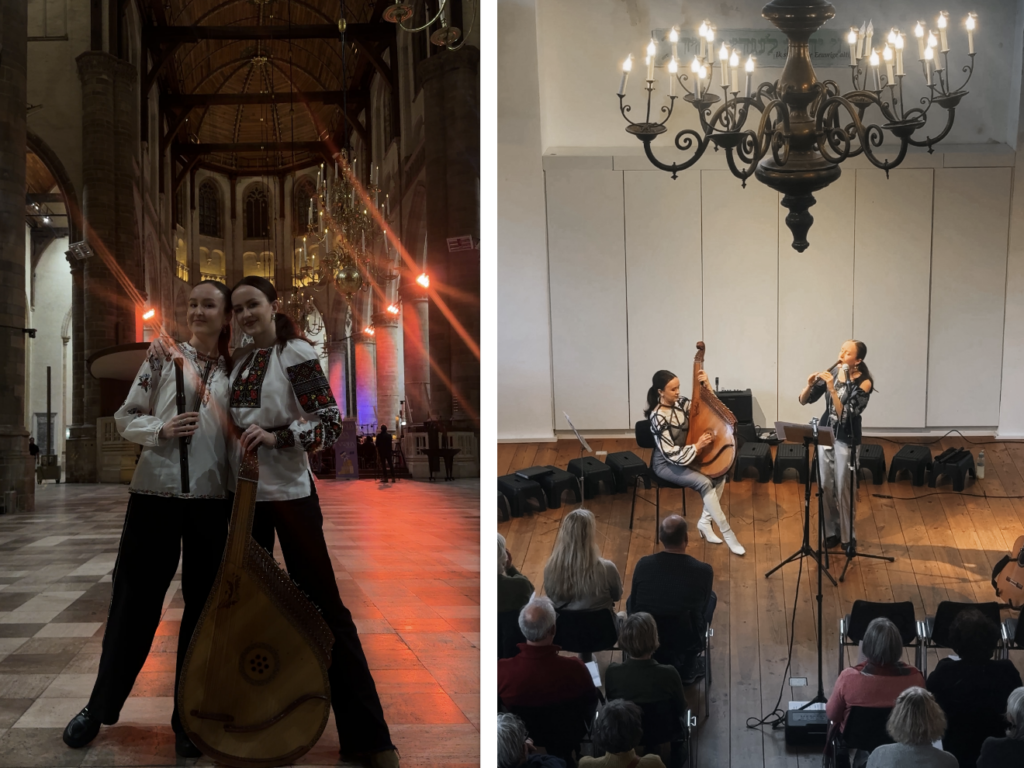
Looking Ahead: Collaboration and Cultural Exchange
Both artists are open to new collaborations. One of their most recent encounters that impressed them and inspired future collaborative ideas was their acquaintance with the Netherlands-based choir Slavuj, which performs Slavic music, including Ukrainian songs, which sparked possibilities for joint projects such as themed concert programmes. At the same time, they are looking forward to connecting with more international colleagues.
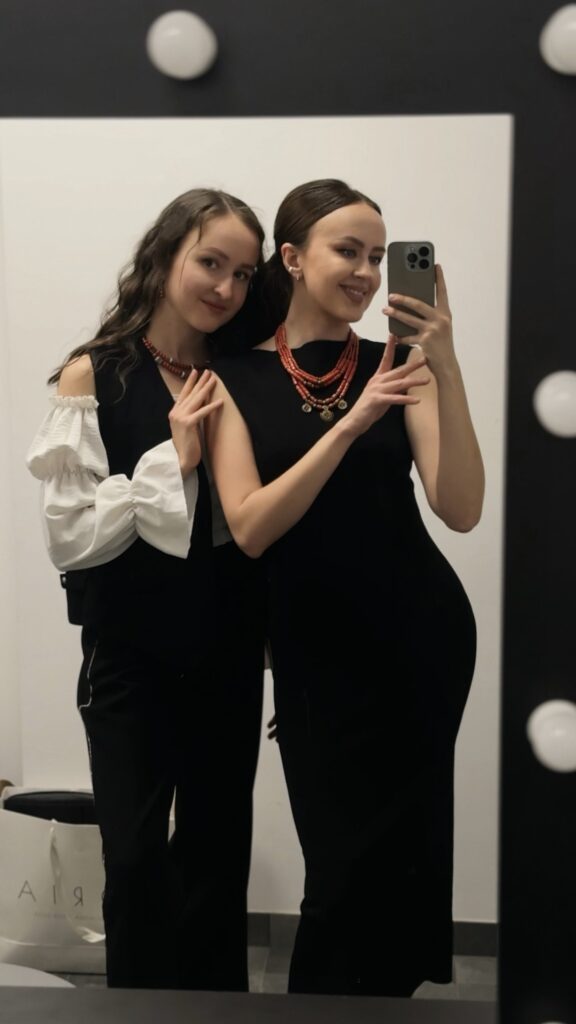
Feel free to follow Bozhena and Victoria on their social media to stay updated on their performances and collaboration opportunities.
Instagram account of Bozhena: @b.hmrr
Instagram account of Victoria: @victoria.hamar
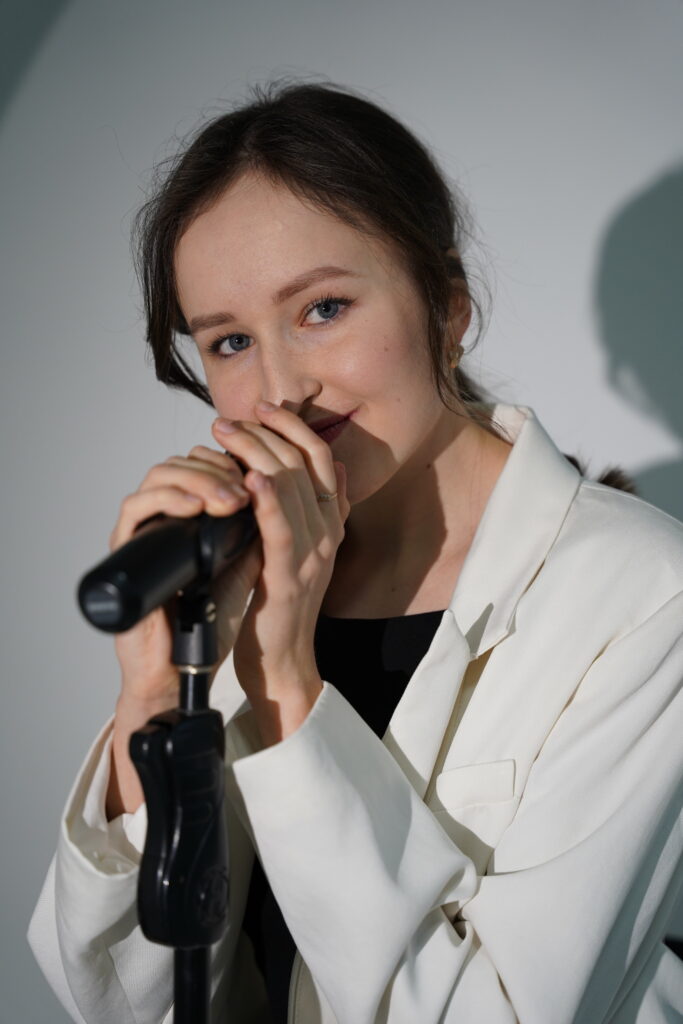
Bozhena Hamar is a Ukrainian singer, songwriter and sopilka player (a traditional Ukrainian flute). She has explored a wide range of musical styles, including folk, medieval, Renaissance, Baroque, classical, avant-garde, techno, pop and jazz. After engaging with such diversity, she chose to focus on creating her own original work.
She developed most of her skills and knowledge during her studies at the Kraków Music Academy and the Conservatorium van Amsterdam. Bozhena is an experienced performer with a broad stage background, having appeared at events such as the Aquatopia Show during the Eurovision Festival in Liverpool, the Sacrum Profanum Festival in Kraków, the Ethno music festival “Virtuozy folku” in Kyiv, and the “Viter Na-Dii” Festival in Lviv, among many others. Her artistic activity is dedicated to integrating Ukrainian music into her repertoire, collaborating with artists across genres, and creating her own compositions.
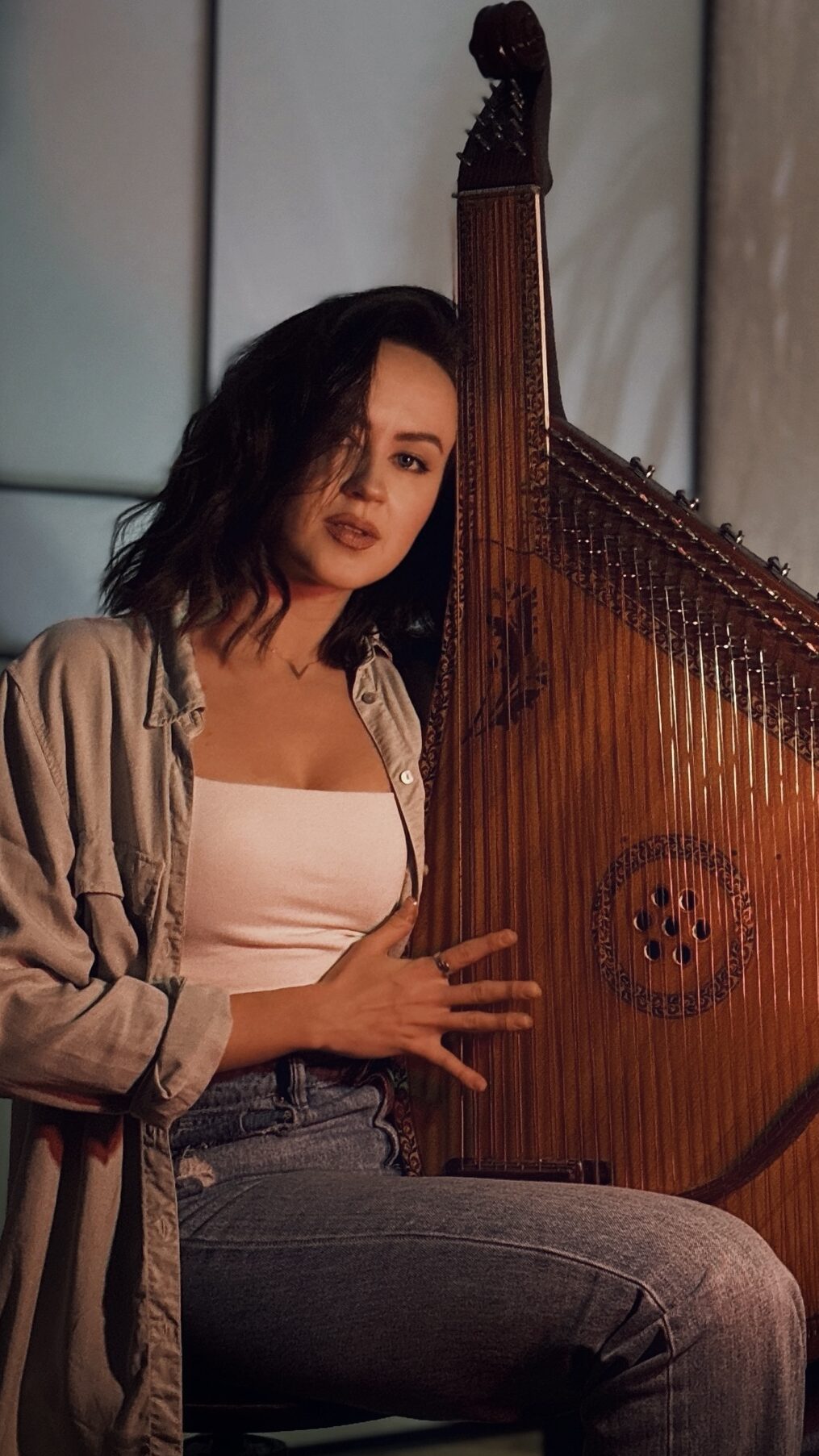
Victoria Hamar is a Ukrainian performer and bandura player (a traditional Ukrainian plucked string instrument), based in Ukraine. She initially trained as a pianist before focusing on a bandura performance as her professional musical pursuit. Victoria is strongly committed to promoting Ukrainian heritage abroad, raising awareness of its unique musical instruments and genres.