At the end of every academic year, art academies in the Netherlands host a Graduation Show – a final public art exhibition where graduate students are not just assessed on their art skills but also have the opportunity to showcase their months-long work, network with external audiences, and jumpstart their careers.
In this first of a three-part interview series, we visited the exhibitions of two Ukrainian students at Willem de Kooning Academy in Rotterdam, which ranged from steampunk-inspired folklore to 50 black envelopes containing letters from Gen Zers questioning their luck in life.
Graduate students Sofija Sudeikina and Alina Zozulia shared with us how diverse Ukrainian art talent is, how their heritage does (and does not) influence their practices, and where they’re headed next.
Sofija Sudeikina, 23 years old, born in Kyiv and raised in Latvia
Majored in Illustration at WdKA
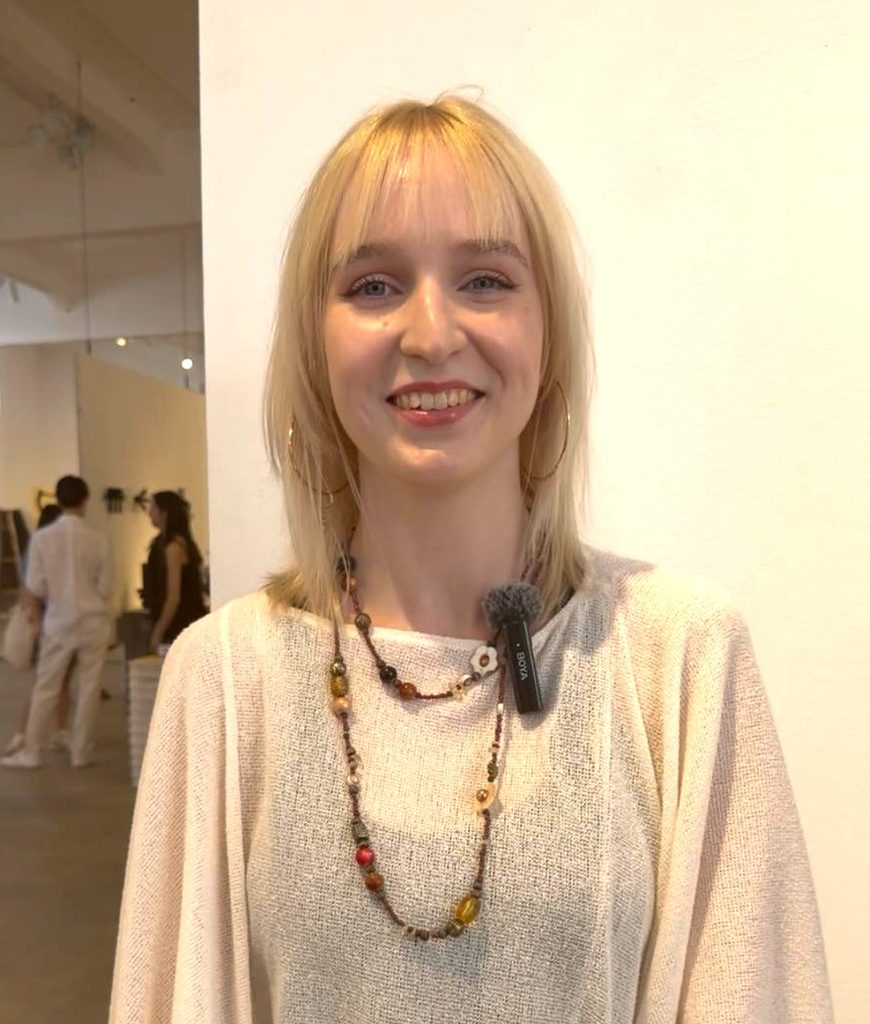
Sofija Sudeikina’s graduating exhibition featured her illustration book “Supernatural in Kyiv, or how to recognize Mavka in 2090”, which catalogues Ukrainian mythological creatures with a futuristic, steampunk spin.
Set six decades from now, the book is a “field study” of folklore characters who have become “so intertwined with modern culture that they seem to have dissolved into it”. These supernatural beings include the dangerous water spirit Rusalka, the goddess of winter and death named Mara, and the mysterious dog-headed Pesygolovtsi. Sofija explores these characters and fables through digital art and character design.
Born in Kyiv but raised in Latvia, Sofija grew up learning about her Ukrainian heritage via fairytales during her summer vacations in Ukraine. “I can connect with the main character because I am also researching Kyiv every time I visit it,” says Sofija. Notably, the Mavka from the book title are missing from the catalogue, with the epilogue ominously hinting that “I have not been able to meet or identify one yet.”
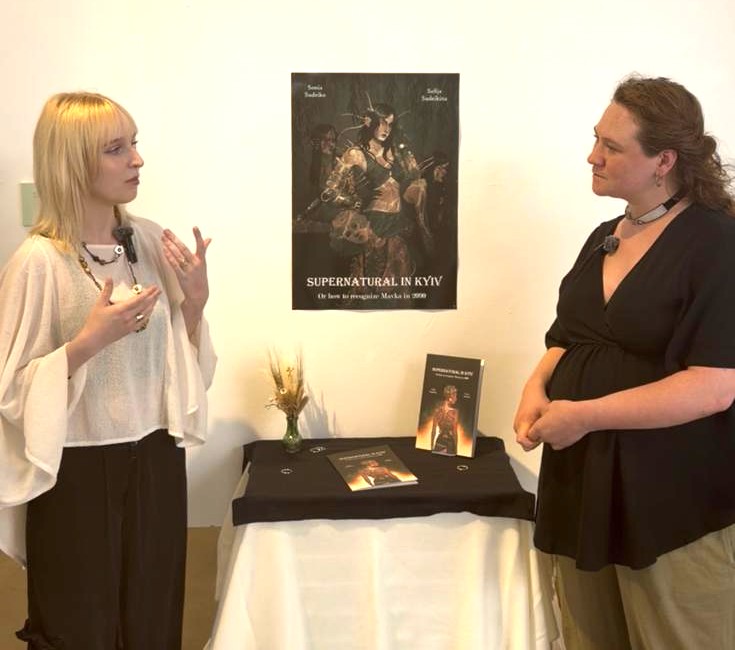
In her graduation assessment, her teachers initially questioned why she chose the book format as a medium for her art (instead of paintings, for example, a medium Sofija is also skilled in). “I wanted to make culture something that is intimate,” she explains. The book format invites viewers to take the book in their hands instead of keeping their distance from museum walls.
Her teachers were on board with this artistic decision, praising her ability to modernize traditional mythology regardless of the viewers’ familiarity with Ukrainian folklore. “Many people are curious about Ukrainian culture now, there is lots of support. You don’t need to know the details. My teachers were not familiar with Ukrainian culture, but they are very curious of other cultures at WdKA.”
Overall, Sofija’s Dutch education has exposed her to new artistic styles and directions. “When you meet many international students, you learn to present your own culture and listen to others. I’m excited about making art about myself and my cultural background. It makes me feel free as an artist.”
What’s next for Sofija? “I’d like to continue the book with new characters, possibly creating a bigger book or with more volumes, and I am in talks with other artists to turn it into a video game.”
Alina Zozulia, 23 years old, from Uman
Majored in Graphic Design at WdKA
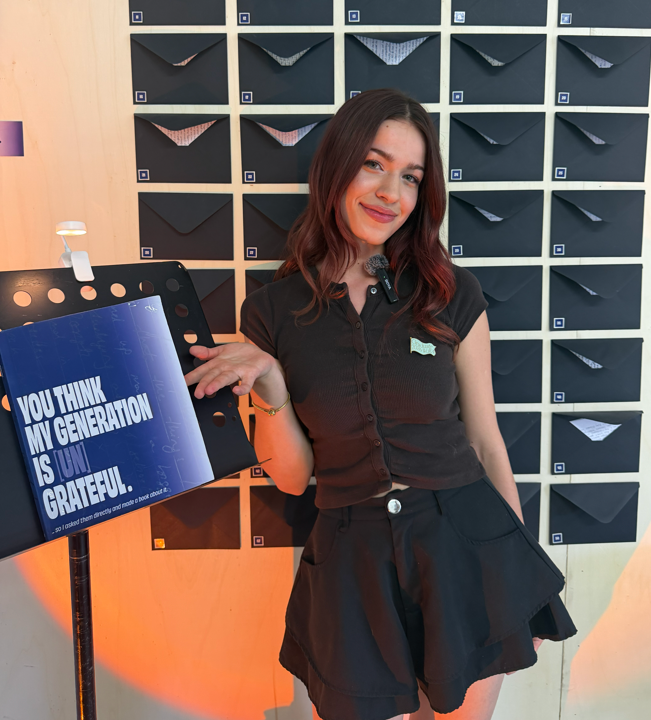
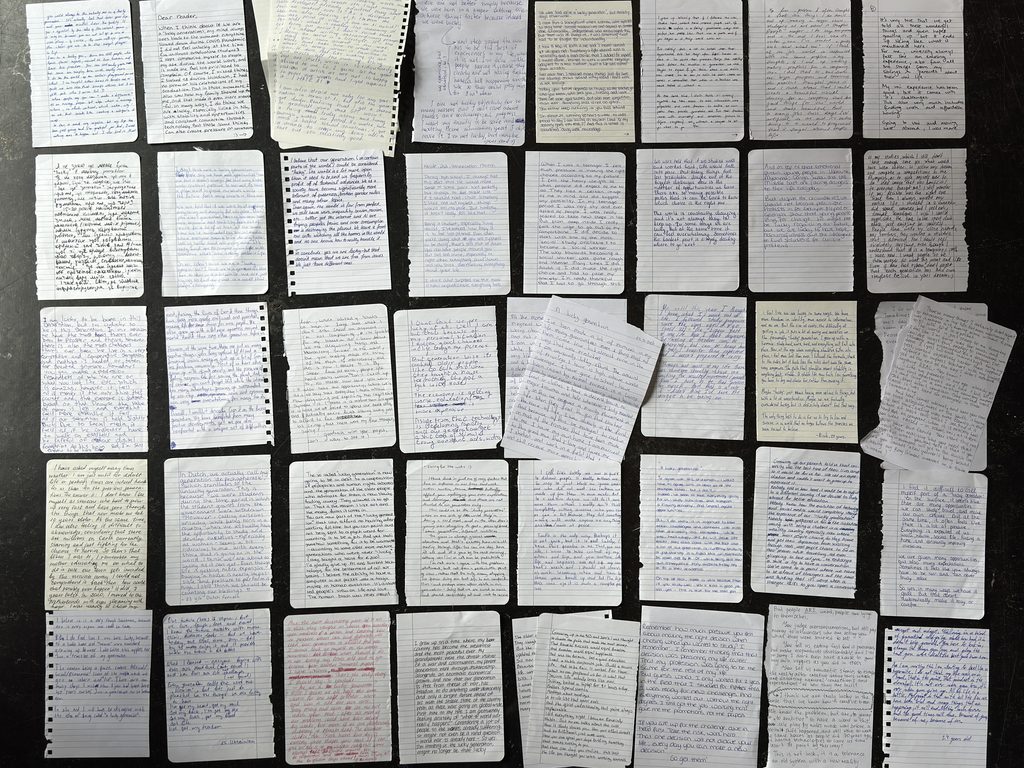
Through a collection of 50 letters in black envelopes, Alina Zozulia reflects on the question of privilege within Gen Z. Her graduation project “You Think My Generation Is Ungrateful” challenges the misconceptions of how “lucky” young people are, as famously implied by OpenAI CEO Sam Altman in 2025.
In this project, Alina explored graphic design outside of the typical digital medium, honing her skills in printing, typography and layout while enjoying the physical process.
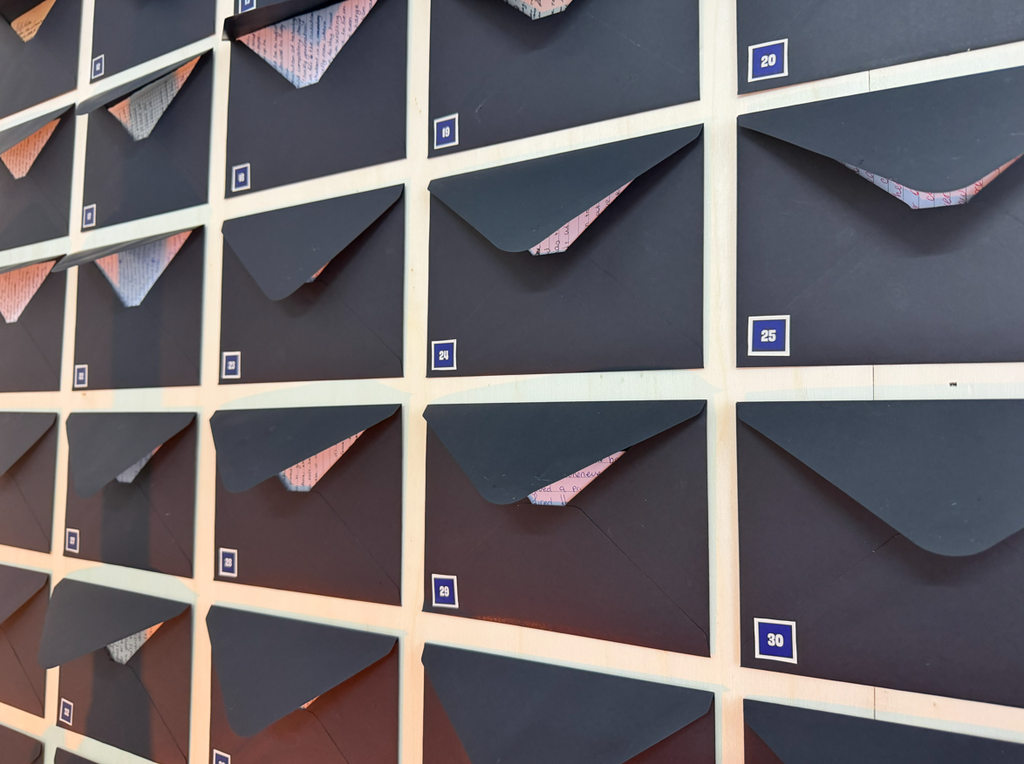
“I thought that people would write about not being able to find a job or student housing, but every letter was so personal,” says Alina. “The book is not chaptered because the responses are so mixed. People with European passports feel threatened by tension in society. But Ukrainian [letters] expressed more stress about the future due to our current uncertainty. War made them realize what they do have: their families, homes, employment.”
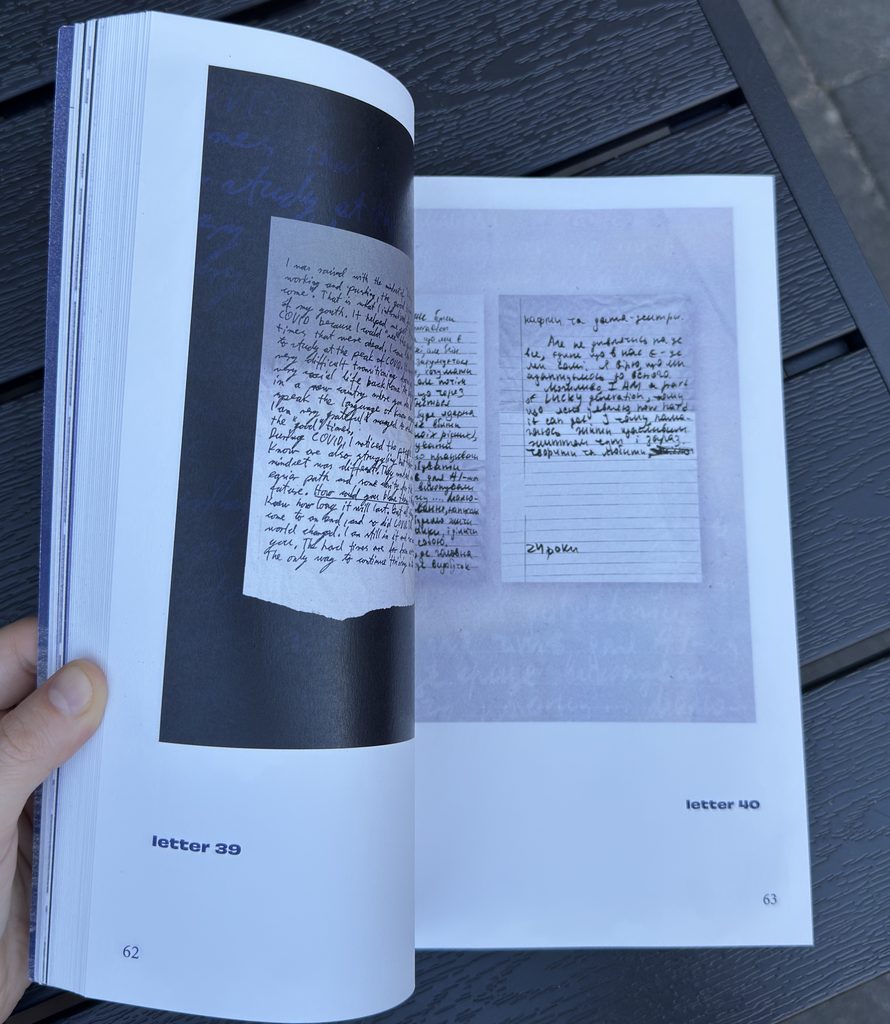
After studying Media Production in Kyiv, Alina came to the Netherlands as an exchange student at the beginning of the full-scale invasion and later stayed here. Her education at WdKA has taught her to translate her voice into her visuals. While her artistic practices are not directly influenced by Ukraine, her home country remains “a touchpoint.”
Alina passed her final project presentation with the highest grade possible. After graduation, she is seeking employment as a designer and artist, working on brand and visual identities for small businesses specifically.