
When Ukrainian culture appears in the more western side of Europe, it often takes familiar, traditional forms: Vyshyvanka and other expressions of embroidery, classical music, folk traditions, memorial ceremonies, stories of war and resilience. These traditions matter, and we at VATAHA work hard to shine a light on them. They deserve the attention they receive, and they help preserve history, language and community.
But they’re not the only place Ukrainian culture lives.
Alongside the choirs, exhibitions, and commemorations is another current of Ukrainian cultural life. It’s noisy, weird, politically charged, sometimes angry as hell, sometimes riotously funny, and usually pretty hard to categorize: hardcore, punk, metal, and alternative music have been a part of Ukraine’s cultural landscape for decades, shaped by DIY networks, underground venues, anti-imperialism, and the realities of wartime life.
Whether you’re already a fan or just curious about another side of contemporary Ukrainian culture, these 4 bands are a good place to start.
Gogol Bordello
Coming to Nijmegen: August 26 2026, The Hague: September 1 2026
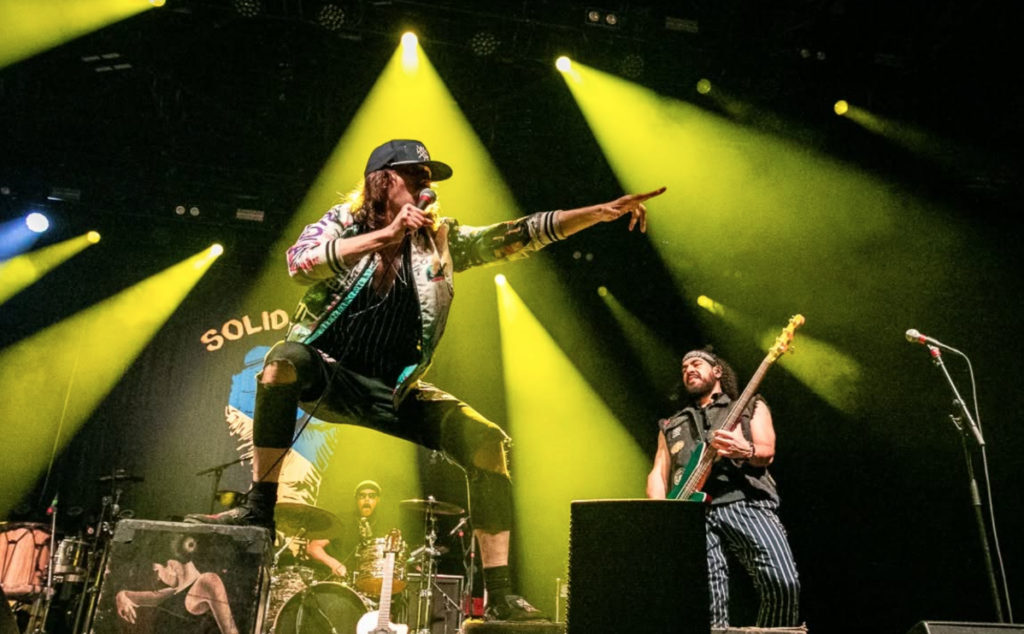
Few bands have spent more time confusing the labellers of genre than Gogol Bordello.
Founded in New York by Ukrainian-born Eugene Hütz, the group has spent decades blending punk with Romani music, Ukrainian folk traditions, dub, Latin influences, ska, and seemingly anything else that captures its attention.
The resulting effects of these concoctions – of music that is rooted but seemingly impossible to pin-down – is tied to Hütz’s own past. Born in Ukraine and displaced after the Chornobyl disaster, he eventually settled in the United States and built a band whose membership and influence stretch across borders. The group’s name itself is a nod to Ukrainian-born author Nikolai Gogol, whom Hütz admired for bringing Ukrainian culture into broader literary circles. Gogol Bordello has spent the past 25 years attempting something similar: introducing Eastern European music traditions to audiences who might never have encountered them otherwise.
The group’s shows are famously theatrical and chaotic. Beneath this spectacle lies a very real commitment to cultural exchange, immigrant experience, and solidarity. In a cultural moment in which there is ever-increasing pressure for national identities to be fixed and easily-defined, Gogol Bordello remains stubbornly committed to mixture, contradiction, and excess.
Listen: “Start Wearing Purple”
Jinjer
Coming to Amsterdam: October 3 2026
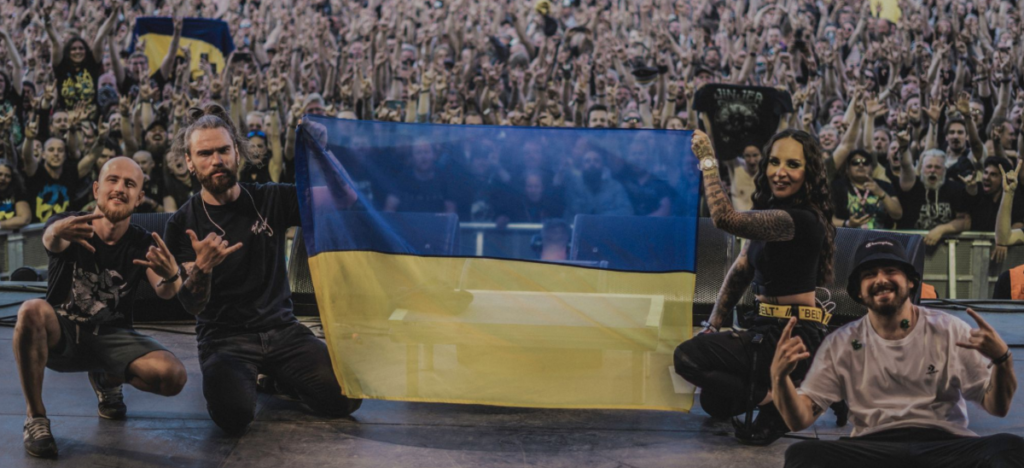
A live performance of Jinjer’s “Pisces” went viral in 2017 and introduced millions to Tatiana Shmayluk’s extraordinary vocal range from melodic singing to hard-metal vocals. That clip helped propel the group onto the international stage.
Following russia’s full-scale invasion of Ukraine, Jinjer became one of Ukraine’s most high-profile musical exports. But that song that introduced them to much of the world isn’t about war or politics, and is, instead, a deeply spiritual self-portrait of Shmayluk, who later explained: “Pisces’ is timeless. It’s not about a war or current event.” The tension formed by that rather profound gap between how the band is seen and how they understand themselves as a group is one of the things that makes Jinjer particularly interesting.
Formed in Donetsk and later displaced by conflict, Jinjer carries expectations that come with visibility. At the same time, their music resists straightforward categorization, blending progressive metal with groove metal, hardcore, and other influences into something very much their own. They refuse to be reduced to a symbol.
Listen: “Pisces”
Death Pill
Recently toured Europe, including the Netherlands. Stay tuned for upcoming tour dates here.
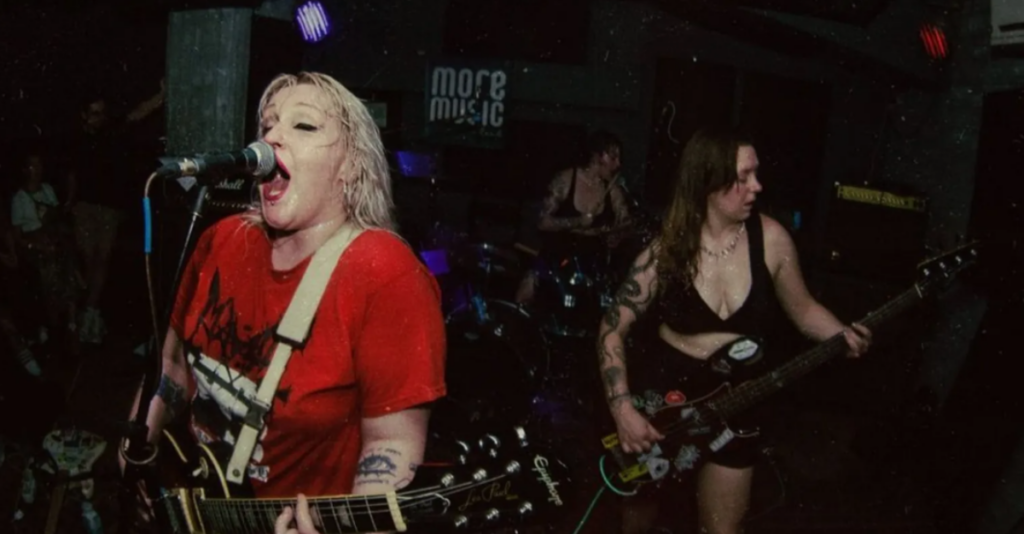
Death Pill is just as urgent as its name suggests.
The Kyiv-based trio came out of Ukraine’s underground punk and hardcore scene, where punk has long-served as a vehicle of release for frustration, anger, sadness, and irony. Pulling on inspirations from riot grrrl, hardcore, punk, and thrash metal, the group’s performances are as intense as they are cathartic. That intensity became even more acute after the full-scale invasion.
The band has spoken openly about using their music to express their political anger and to share and celebrate news of Ukraine’s resistance. Vocalist Mariana Navrotskaya described a song as dedicated to “all the arseholes who try and take my freedom away.”
At the same time, to reduce Death Pill to anger would be a mistake. They are bleakly funny – “Don’t worry. It’s the bass from next door,” said bassist Natalya Seryakova about russian missiles landing in the background of an interview – and the bandmates are incredibly driven by friendship and reunion.
Their music is fierce and their politics uncompromising. But at its core, this band’s ethos is about the determination to keep creating, with both warmth and community.
Listen: “It’s a Joke”
Stoned Jesus
Recently played in Haarlem (April 4 2026). Stay tuned for upcoming tour dates here.
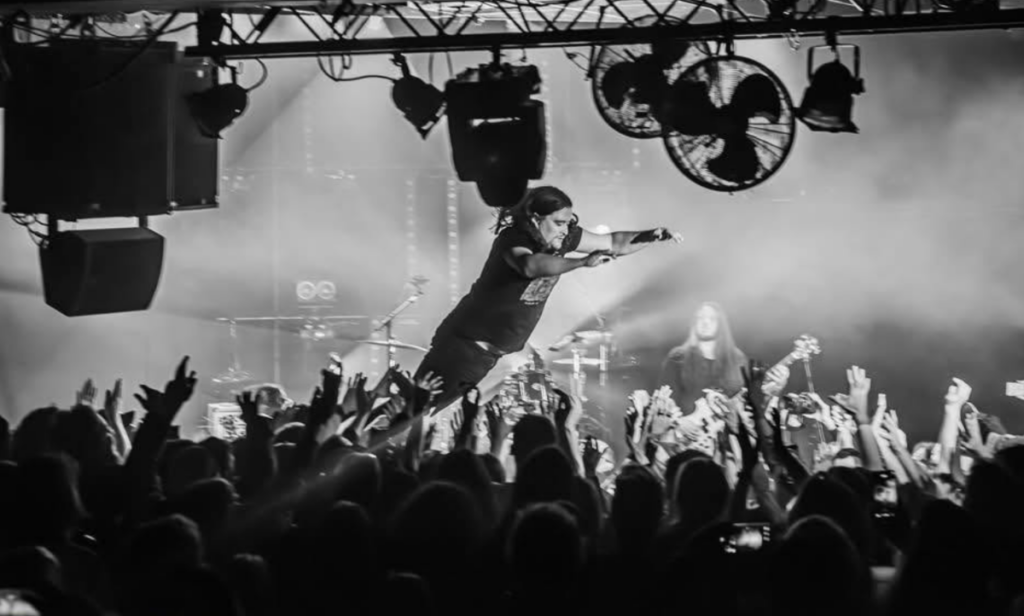
Founded in Kyiv in 2009 by Igor Sydorenko, Stoned Jesus started as a stoner metal project before expanding into prog rock, doom, and other corners of heavy music. Along the way, it became one of Ukraine’s most internationally recognized underground rock acts, touring venues across the world, including South America and major European festivals.
One of the things that stands out the most about the group is its willingness to evolve. Through several lineups and albums, Sydorenko consistently pushes the band in new directions instead of repeating old formulas. That restlessness is there in the music itself, with slowly unfolding pieces that build tension and atmosphere over long runtimes. “I’m the Mountain” is a 13 minute trip that rewards patience and rejects our world’s ever-growing need for immediate gratification.
In a cultural moment defined by urgency, Stoned Jesus gives us time to sit with the weight of things.
Listen: “I’m the Mountain”
These bands offer a glimpse into the multitudes of Ukraine’s underground music scene. They’re not representative of the cultural totality, nor of every genre and perspective. But they do reveal the sheer variety of cultural expression that exists beyond some of the images, sounds, traditions, and symbols most commonly associated with Ukraine abroad.
Ukrainian culture has never been only one story (or only one sound).
For other boundary-pushing Ukrainian artists with links to the Netherlands, check out: