
As the year goes by and summer arrives, we continue our journey through the world of traditional Ukrainian crafts!
In Ukrainian folk culture, summer is the most intense and meaningful season of the year. It is not a time of rest, but a time of fulfilment: when the work begun in spring ripens and bears fruit. As the authors of the book Vytoky write, “if spring is the season of awakening, birth, and blossoming, then summer is the season of maturity and abundance.”
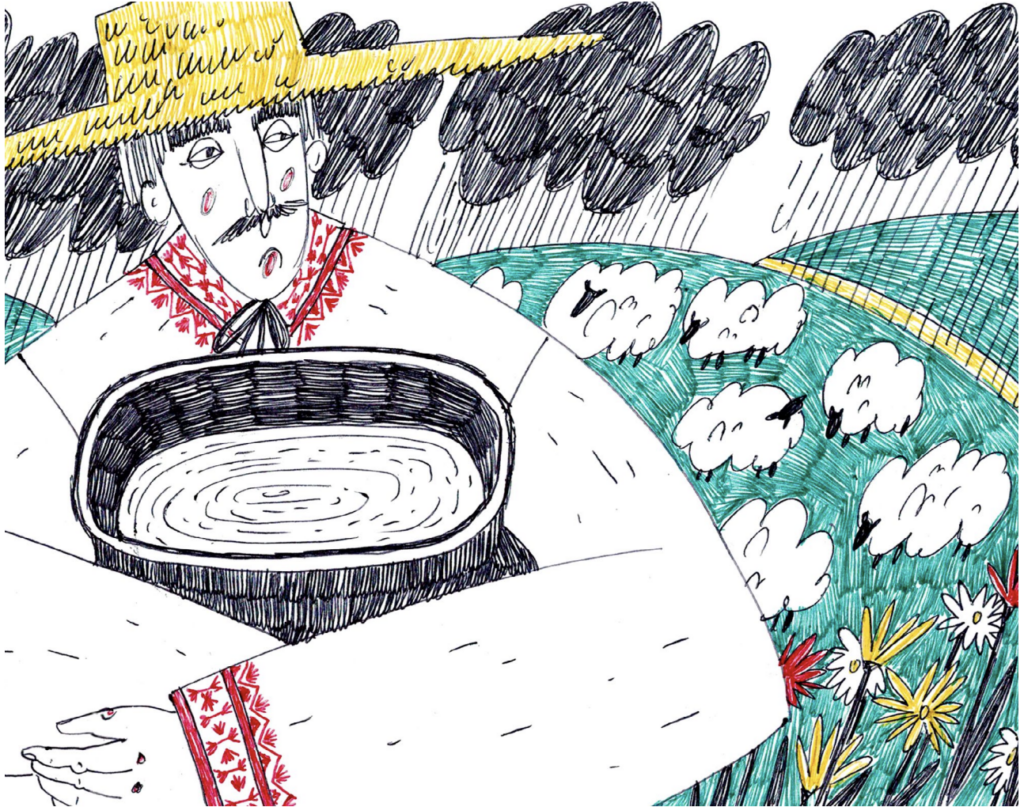
The rituals of this period are centred around fertility, gratitude, protection from misfortune, and the deep connection between people and the natural world. It is a season filled with layers of meaning: fields reach their fullest bloom, herbs are gathered for their healing powers, communities celebrate the longest days of the year, and preparations for the harvest begin.
This season, VATAHA invites you to step into these traditions with us – not only by learning about them, but by experiencing them through making. Together, we will explore the stories, symbols, and regional crafts that have shaped Ukrainian culture for generations. Through paint, paper, and clay, we will reconnect with traditions that celebrate the sun, honour the earth, and welcome the abundance of the coming autumn.
What is the summer cycle about?
The summer cycle begins with Zeleni Svyata – the Green Holidays – celebrated fifty days after Easter. Homes, fences, wells, and even livestock were decorated with freshly cut branches and fragrant herbs: oak, maple, linden, mint, wormwood, and lovage. This ritual greening, known across much of Ukraine as klechannia, was far more than decoration. It was an invitation to welcome your ancestors into your home, a gesture of gratitude toward the living world, and a way of protecting the household as the growing season reached its height.
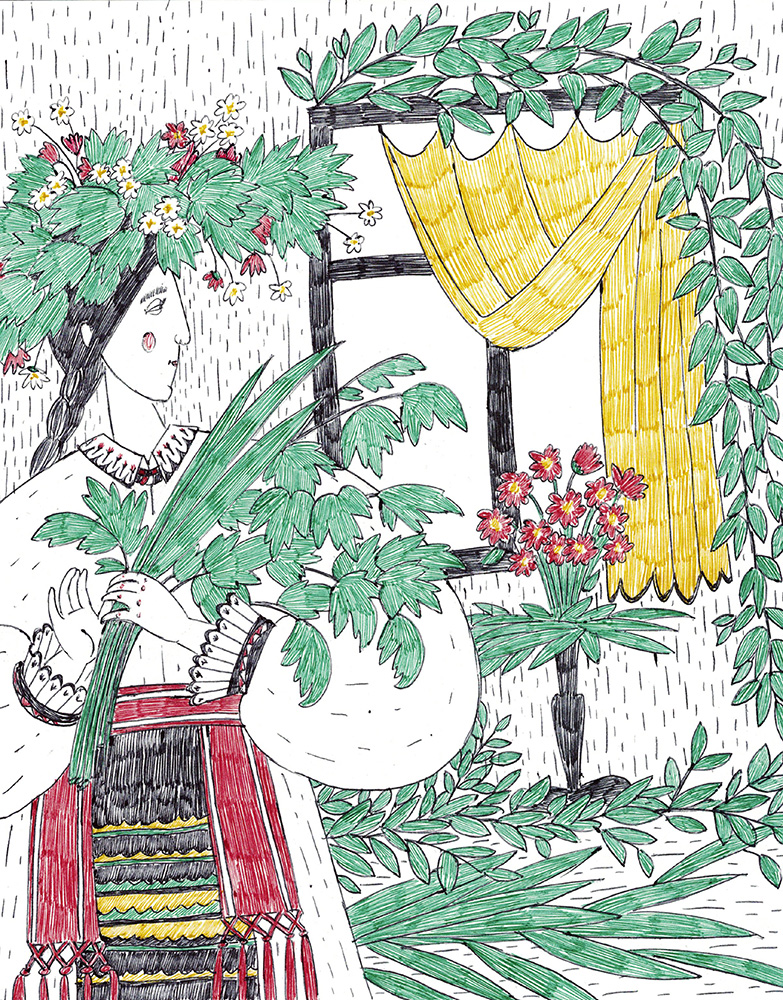
Soon after comes one of the most magical and mythologically rich nights of the year: Kupala, celebrated on the night of June 23-24, close to the summer solstice. This ancient holiday weaves together layers of pre-Christian beliefs connected to fire, water, plants, the sun, and the mysterious threshold between the human and spirit worlds. Girls floated flower wreaths on rivers to divine their futures. Young couples jump over bonfires hand in hand, believing that if they landed without letting go, they would stay together. Medicinal herbs gathered that night were thought to contain the greatest healing power of the year. And somewhere deep in the forest, according to legend, the fern would bloom for a single night, granting whoever found it the ability to understand the language of animals and discover hidden treasures.
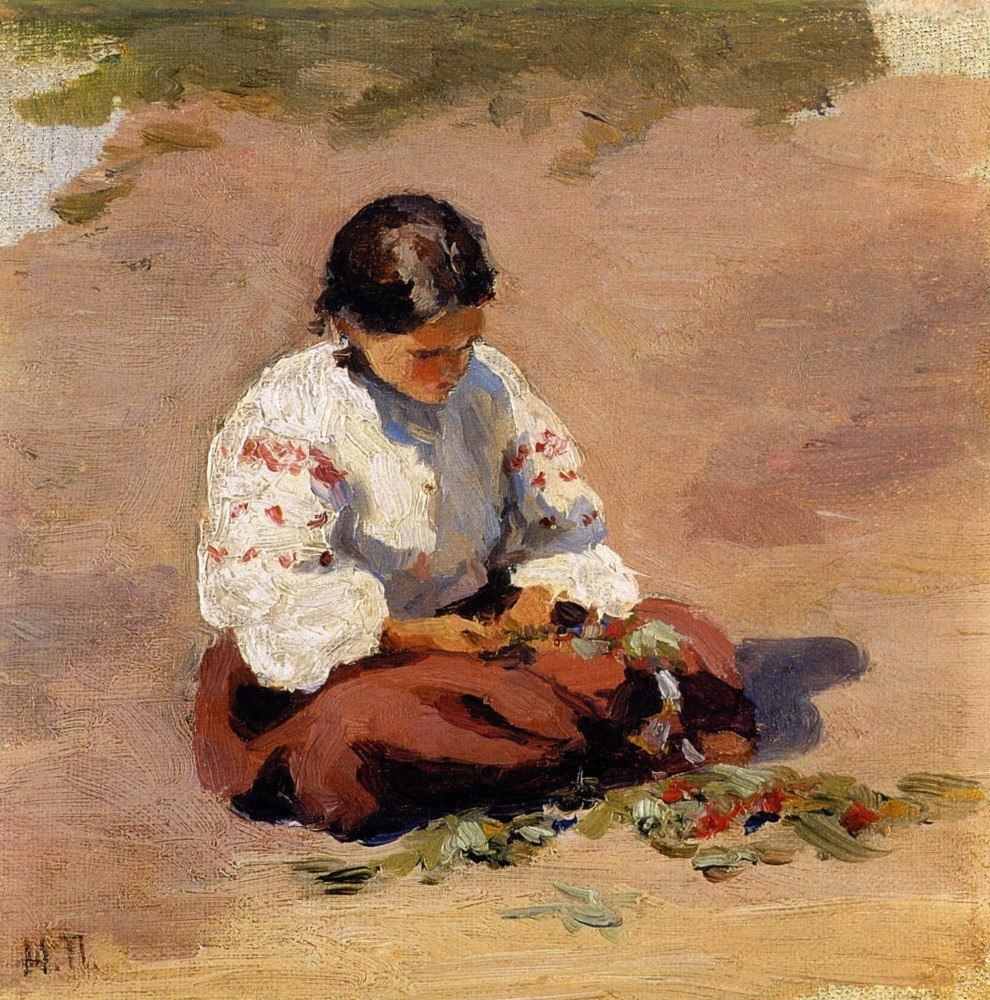
After Kupala, the season turns decisively toward work. The harvest – Zhnyva – was the most important communal labour of the year. The beginning of the harvest was approached with ceremony: the first grain sheaf was cut on an auspicious day, with careful words and respectful silence. Bringing grain home from the fields was considered every bit as sacred as welcoming the rebirth of the sun in winter.
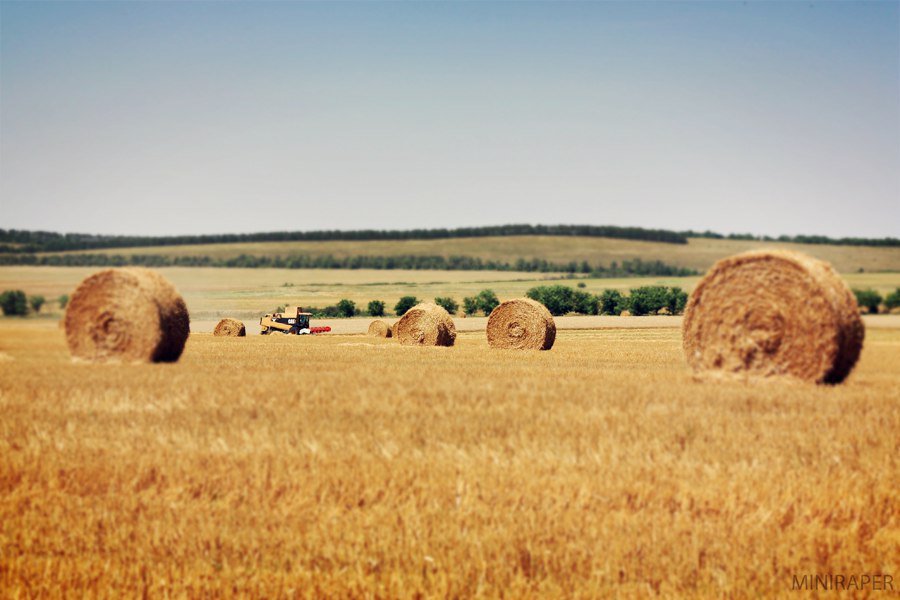
The harvest concluded with obzhynky, the traditional harvest celebration. The final ears of grain were woven into the so-called ‘Beard of Illia’ and left standing in the field as an offering to the spirit of the land. A wreath made from the last stalks was carried home with songs and festivities, marking the successful completion of the agricultural year.
The summer season closes with a trio of feasts. Makovia (1 August) celebrates the poppy and marks the first of the harvest saints’ days. Bouquets of poppies, sunflowers, and medicinal herbs are blessed, honey is consecrated, and water is sanctified.
Spas (6 August) is traditionally associated with apples. In many regions, people refrained from eating apples before this day, particularly women who had experienced the loss of a child. The blessing of the first fruits symbolised gratitude and remembrance.
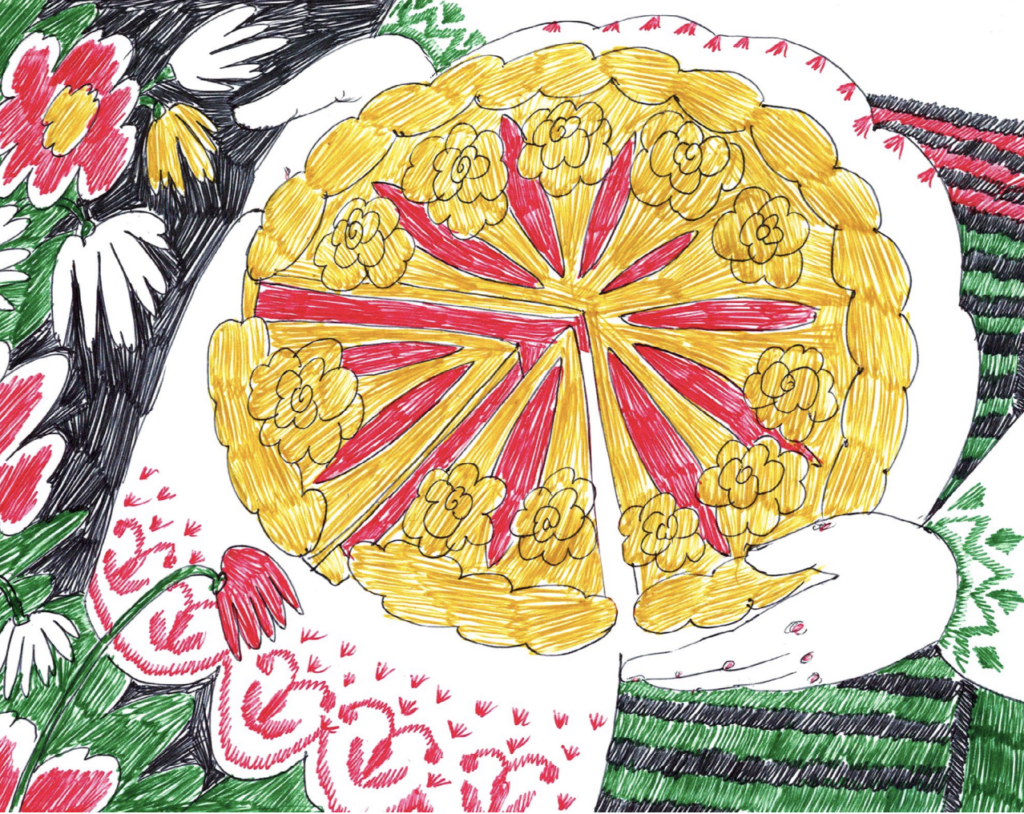
Finally, Uspinnia (15 August) marks the beginning of the betrothal season and signals summer’s gradual release into autumn. Together, these holidays stand at the threshold between abundance and harvest, growth and preparation.
Crafting the summer season
This summer, VATAHA invites you to join the Studio of Ukrainian Crafts of three workshops, all coming from distinctive regions of Ukraine and shaped by local materials, forms, and meaning of its folk traditions.
Petrykivka painting from the Dnipropetrovsk Region
Petrykivka is a style of ornamental folk painting that originated in the village of Petrykivka in central Ukraine. Developed over generations by local artists, many of them self-taught, it is characterised by spiralling flowers, stylised berries, feather-like leaves, and vivid combinations of red, yellow, green, and black.
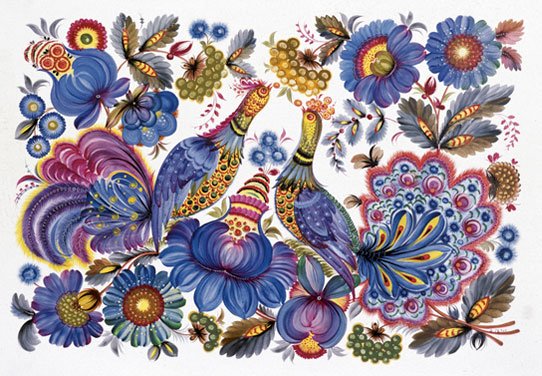
Traditionally, artists worked with handmade brushes, often crafted from cat hair, creating remarkably delicate and expressive strokes. The compositions seem to grow naturally across the surface, as though the plants themselves are guiding the painter’s hand.
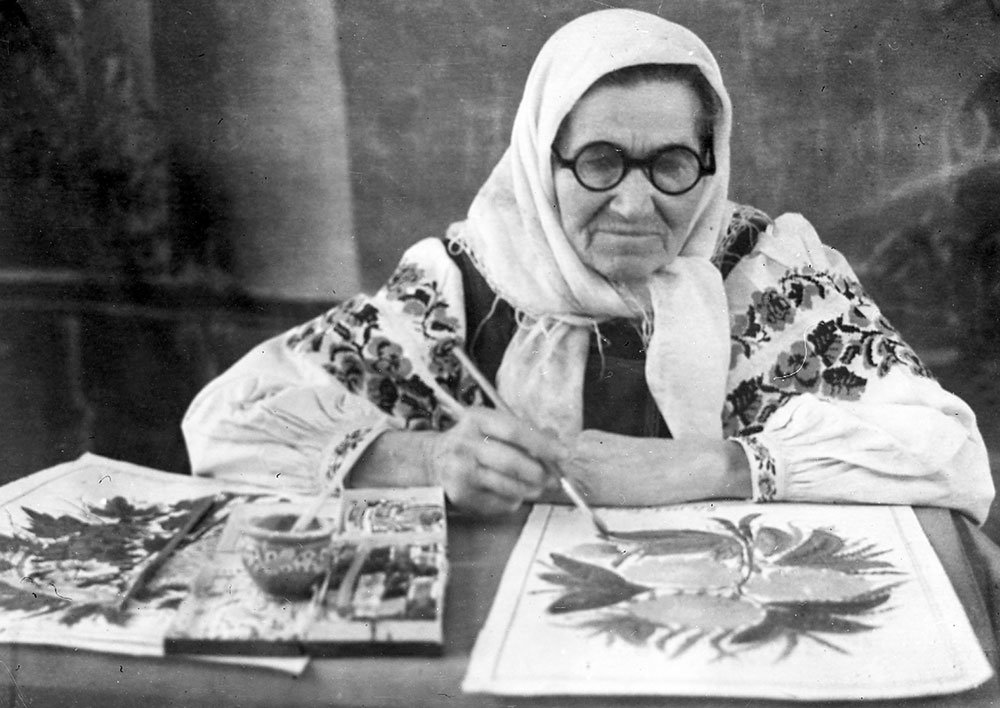
Petrykivka decorated the interiors of homes, stoves, furniture, household objects, festive linens, and ritual items. It was believed to protect the household and attract prosperity. Every motif carried meaning: certain flowers warded off misfortune, curling vines symbolised growth and continuity, and paired birds announced weddings and family happiness. In 2013, the Petrykivka painting style was inscribed on UNESCO’s Representative List of the Intangible Cultural Heritage of Humanity.
At the height of summer, when gardens burst into bloom and fields stretch endlessly toward harvest, the imagery of Petrykivka feels especially alive. These paintings emerge from careful observation of the natural world, transformed into a visual language of joy and protection.
During the workshop, you will learn the foundational elements of Petrykivka: its characteristic brushstrokes, the construction of floral compositions, and the traditional relationships between colour, rhythm, and ornament.
Vytynanka from Podillia, Vinnytsia Region
Vytynanka is the Ukrainian art of decorative paper cutting, intricate symmetrical compositions created by folding and cutting paper before unfolding it to reveal trees of life, birds, geometric patterns, flowers, and entire miniature worlds.
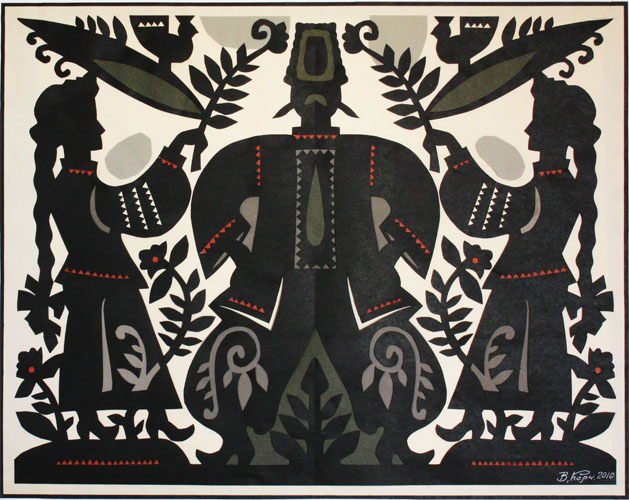
Although practiced throughout Ukraine, each region developed its own distinctive style. The Podillian tradition, centred in today’s Vinnytsia region, is known for its bold compositions, delicate lace-like details, and strong sense of symmetry.
Traditionally, vytynanky were made before major holidays and displayed on walls, windows, shelves, and stoves. They served both as decoration and as protective symbols. Their symmetry reflected a worldview in which the human home occupied the centre of a balanced and ordered cosmos.
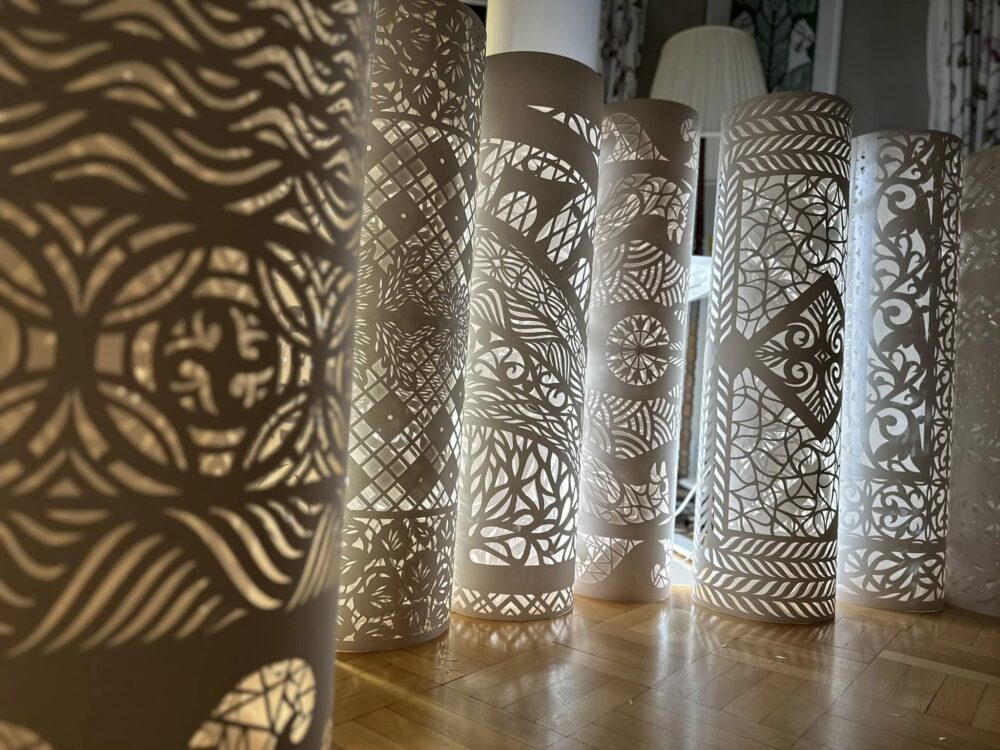
The Green Holidays were one of the key moments for decorating homes, and paper-cut ornaments often formed part of these seasonal preparations. Like klechannia, the making of vytynanky marked a threshold — preparing the home to welcome the fullness of summer.
During this workshop, you will learn how to fold, plan, and cut your own vytynanky. You will also discover the meanings hidden within the ornaments and explore how a centuries-old folk tradition can become a contemporary creative practice.
Opishnia ceramics: the svystok from Poltava
For centuries, the town of Opishnia in Poltava region has been home to one of the country’s richest traditions of folk pottery. Among the most beloved creations of Opishnia potters were svystky: small clay whistles shaped like horses, birds, rams, and human figures. These playful objects were decorated in the distinctive regional style, combining warm terracotta surfaces with white, blue, and green ornamentation.
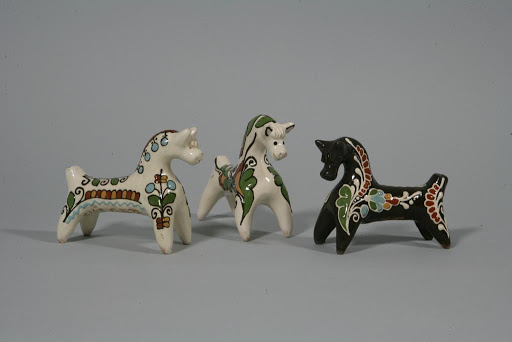
Although often made for children and sold at fairs, svystky were more than toys. In Ukrainian folk belief, sound itself possessed protective power. Whistles, bells, and other instruments were thought to ward off evil spirits and misfortune.
During the harvest season, the ringing of bells and the sounds of clay whistles formed part of a broader landscape of ritual protection. The tradition of making and selling svystky was closely tied to the summer fair calendar and the major saints’ day celebrations held throughout the season. At a time when the relationship between human labour and natural forces felt especially immediate, handmade objects that could make sound seem to carry particular significance.
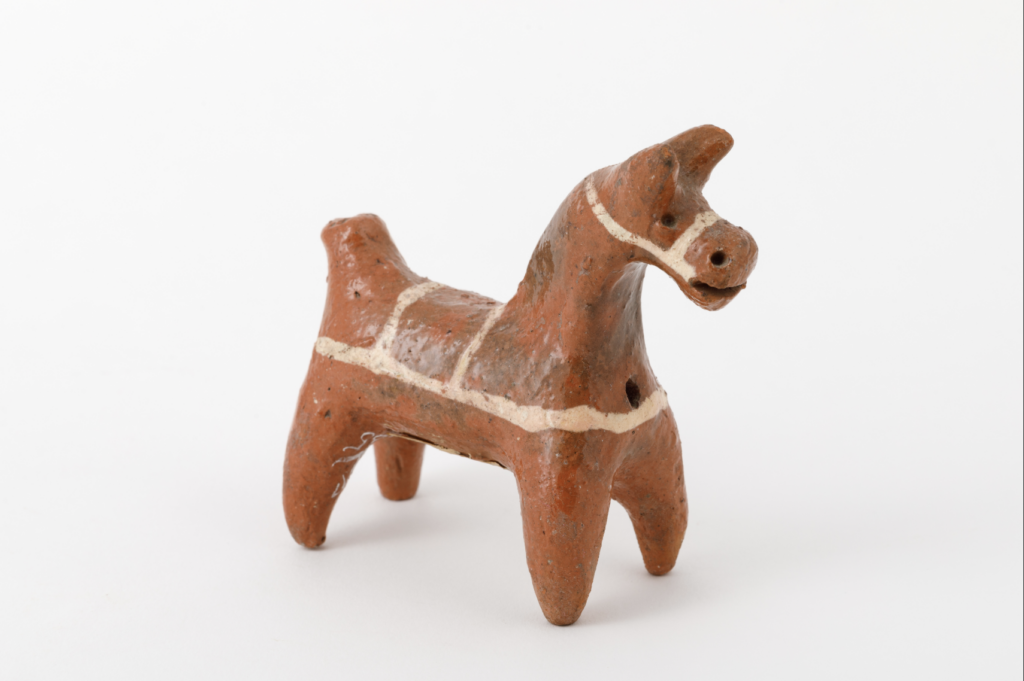
In this workshop, you will hand-build your own clay svystok, learning the specialised technique that creates both its shape and its sound. You will then decorate it using motifs inspired by the Opishnia tradition.
Why join and make something by hand?
If these traditions speak to you, and you would like to share them with others, this programme is designed with you in mind.
Over the course of the training, you will not only learn to hold a Petrykivka brush, fold paper into a vytynanka, or shape a clay whistle – you will develop a deep understanding of how these traditions were made and passed on, and what it takes to bring that experience to new audiences.
Participants ideally already have some connection to traditional crafts, whether through personal practice, cultural background, or a wish to work with communities. Building on that foundation, each module equips you with both the practical skills and the confidence to facilitate these crafts yourself, guiding others through the process, step by step, just as you will be guided here.
This article is part of the training program “Studio of Ukrainian Crafts,” organised by VATAHA in partnership with Ukrainian House Rotterdam and supported by the Ministry of Migration of the Netherlands. You can learn more about the open call here.
To financially support VATAHA in organizing these summer workshops, please consider making a tax-deductible donation here.