
You may have heard a lot about VATAHA promoting our Vyshyvanka Day celebrations, but what is vyshyvanka and why does it mean so much to Ukrainian people?
This year, VATAHA is hosting two Vyshyvanka Day events, in The Hague (May 20) and Rotterdam (May 23), with hands-on workshops and artistic performances.
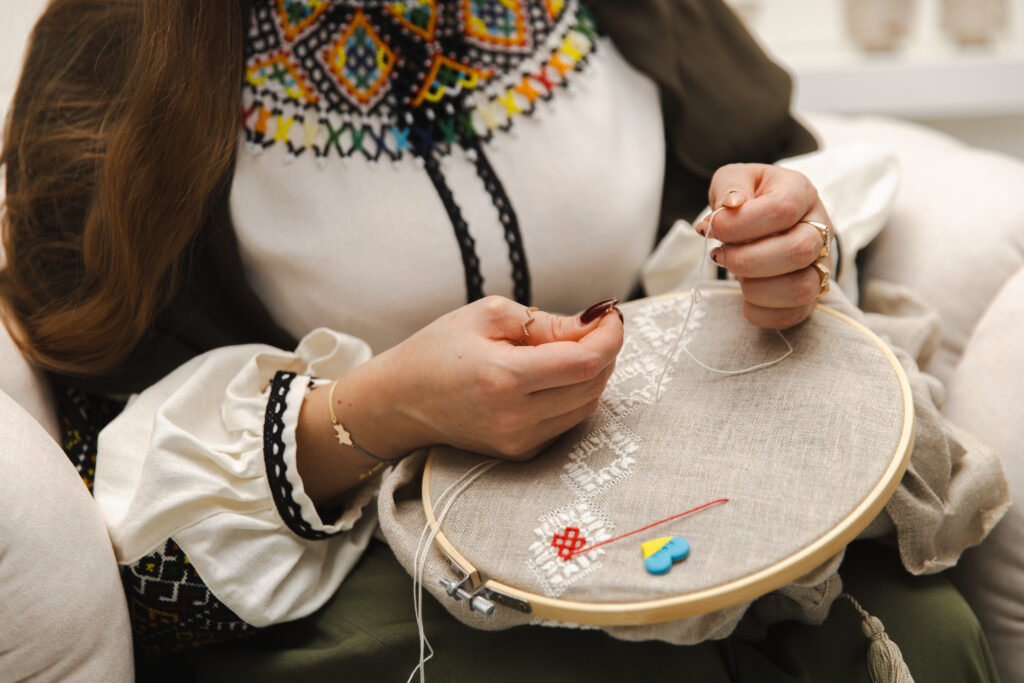
The word itself derives from the Ukrainian вишива́ти (vyshyvaty), “to embroider.” At its core, vyshyvanka is a highly complex tradition of embroidery shaped by regional variation with distinct techniques, patterns, colours, and material.
Vyshyvanka refers broadly to the embroidered shirt in Ukrainian national dress. It is defined by this embroidery, which carries several layers of meaning and symbolism, signalling regional and national identity, cultural and ethnic histories, and containing personal narratives within its many forms.
Embroidery as a Marker of Region and History
The significance of the vyshyvanka far surpasses the aesthetic beauty of the clothing. The techniques, patterns, and colours of the embroidery are tied to the regions from which they originate, to the point where an expert can identify where a shirt was made by studying its stitching.
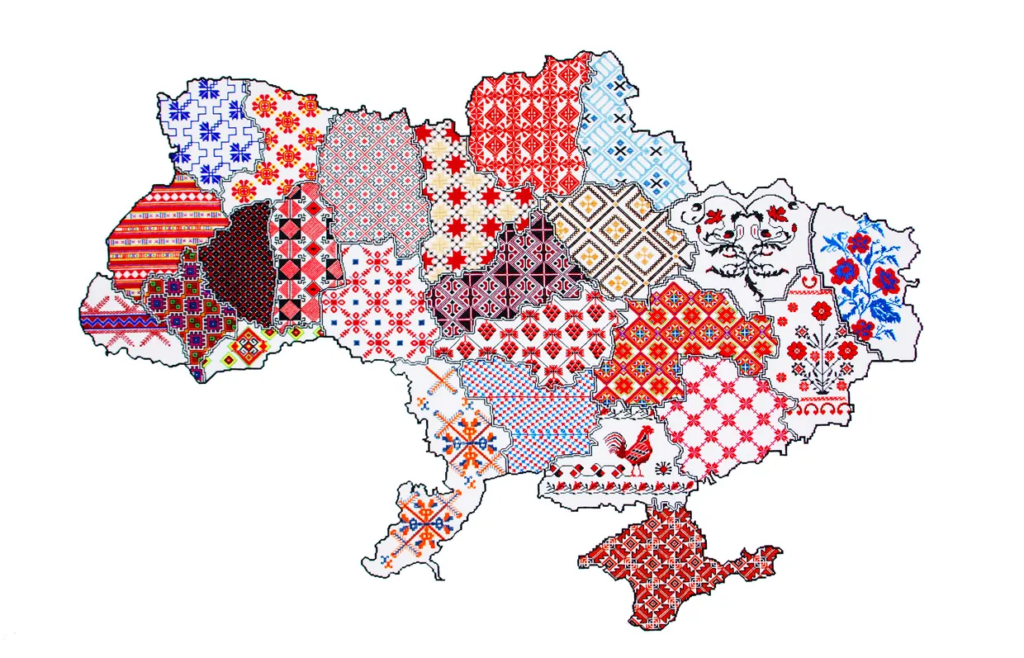
In earlier periods, thread was dyed with local materials (bark, leaves, flowers, and berries), in a literal weaving of the regional environment within the shirt itself. This created a limited colour palette that anchored much of the work: black, red, and white were usually the foundational colours, with yellow, blue and green frequently used alongside them. In the Borshchiv region, for example, shirts are known for a heavy use of black embroidery, while in the Carpathians and surrounding areas multi-coloured embroidery is more frequent.
This regional variation means that there is no single form of vyshyvanka. About 200 embroidery techniques and over 100 distinct stitches have been documented. Each of these stitches holds the weight of the collective, multi-generational memory of each region or town. Each vyshyvanka is a thread that reaches back through time, a symbol of belonging and of history.
Identity and Collective Significance
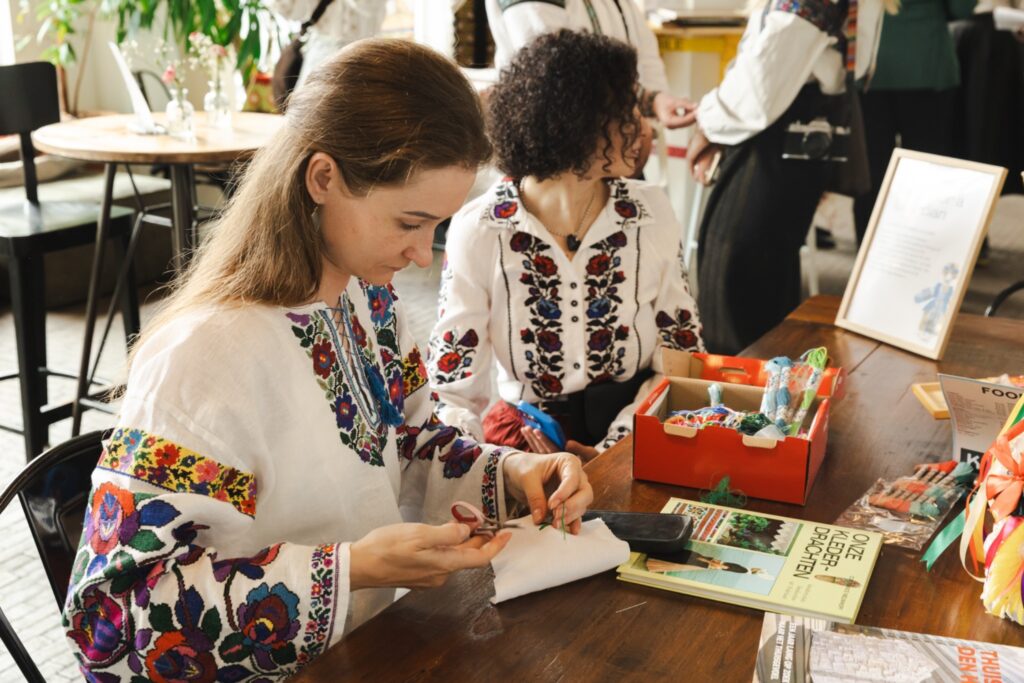
In addition to distinguishing between geographical regions in Ukraine, vyshyvanka can also be tied to a broader cultural, social, and ethnic identity. It has been worn by Cossacks, Chumaks, political dissidents, artists, writers, and soldiers. And though it comes from region-specific traditions, it is also more broadly a symbol of Ukrainian identity and national pride, as well as a signal of desire for a free and peaceful Ukraine.
In the 18th and 19th centuries, during the period of Polish-Lithuanian Commonwealth oppression in Ukraine, the vyshyvanka became a symbol of preservation and identity. When national expression in Ukraine was limited during the Soviet era, Ukrainians continued to make and wear the vyshyvanka as a signal of resistance.
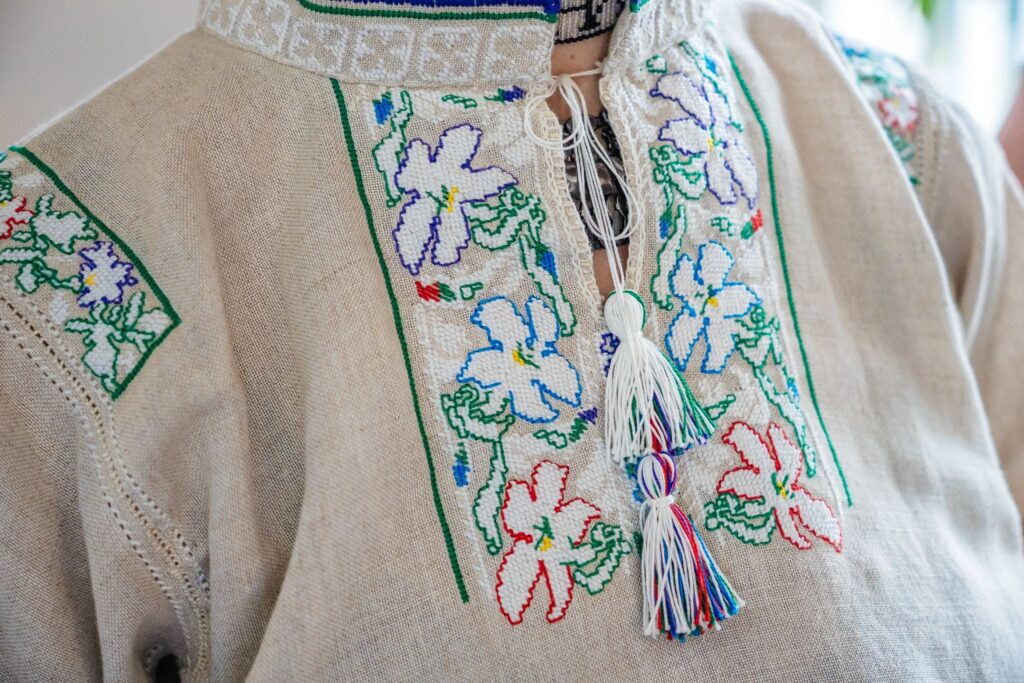
Since 2014, when russia annexed parts of Ukraine, and the full-scale invasion of Ukraine in 2022, there has been a resurgence of wearing, making, and learning about vyshyvanka as a way for Ukrainians to reclaim their national identity, to learn about their roots, and to resist cultural erasure.
For example, last year VATAHA launched a series of workshops for displaced Ukrainians in the Netherlands to create their own vyshyvanka from scratch as a way of preserving their heritage from abroad and providing their families with vyshyvanka they never had before.
Symbolism and Protection
The vyshyvanka has also long been understood as a protective object, worn as a talisman and believed to guard both the person who wears it and the one who made it. In early forms, specific geometric motifs that were stitched into the fabric were also believed to shield against harm.
A well-known Ukrainian saying, “Народився у вишиванці,” can be translated as “someone born wearing a vyshyvanka,” and refers to someone who is guarded and protected throughout life.
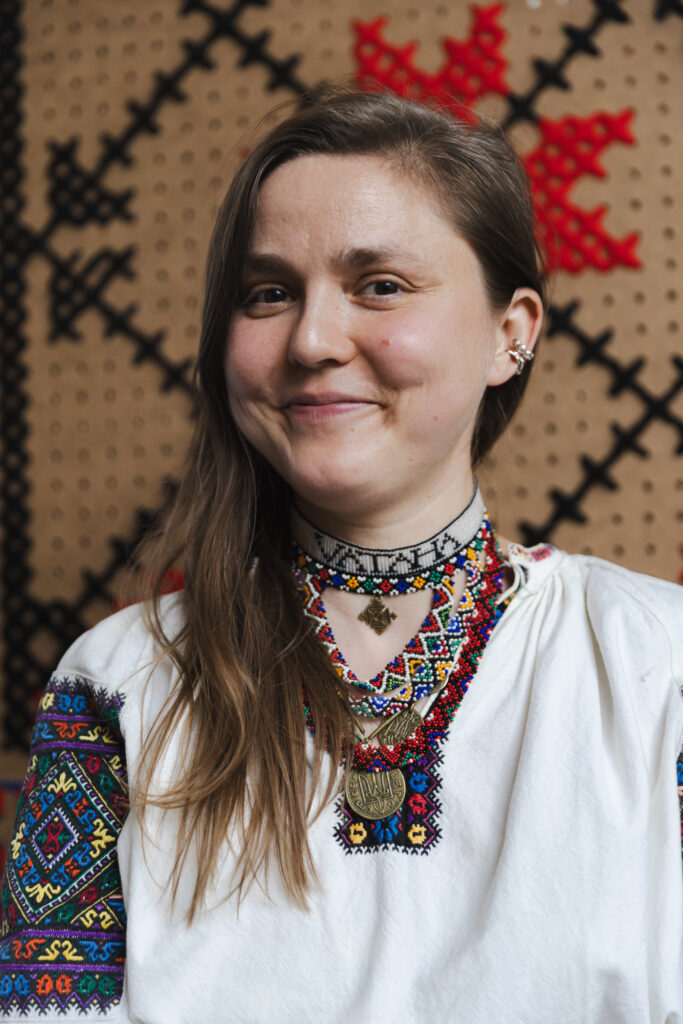
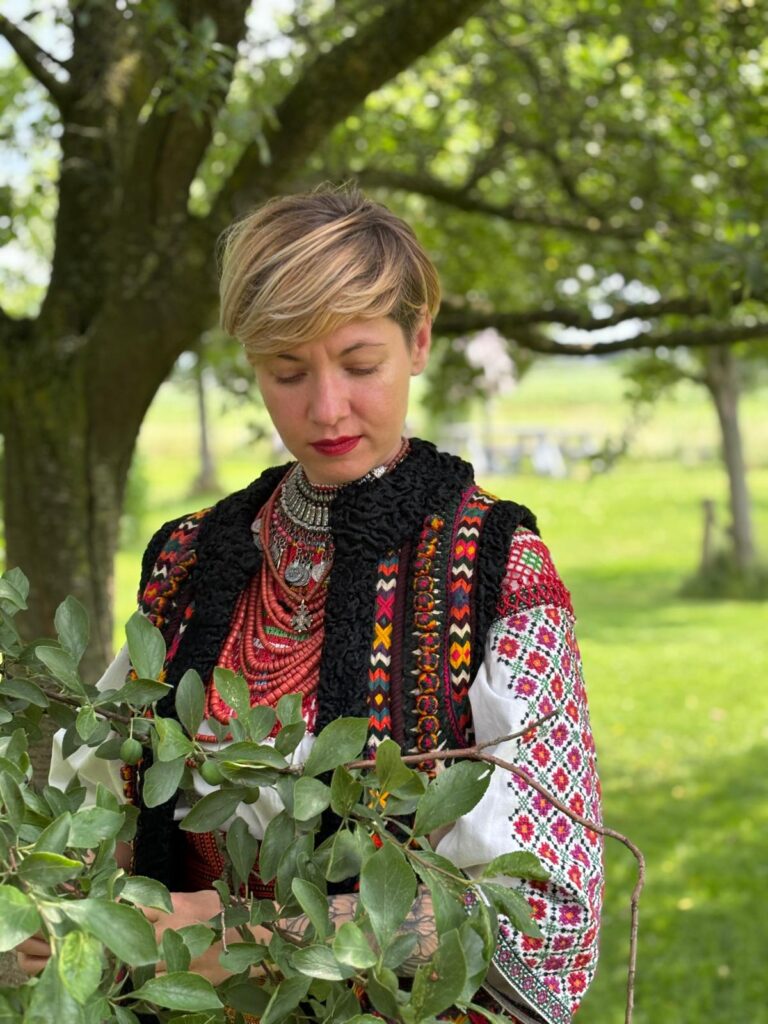
Each element of a traditional vyshyvanka is intentional and tells a story, not only carrying information about geography and cultural history, but specific narratives and personal stories meant to be carried through generations, encoded in the stitching itself.
Ahead of this year’s Vyshyvanka Day celebrations, we interviewed some of our VATAHA volunteers to not only admire their embroidered shirts but also understand the deeply personal stories behind them.
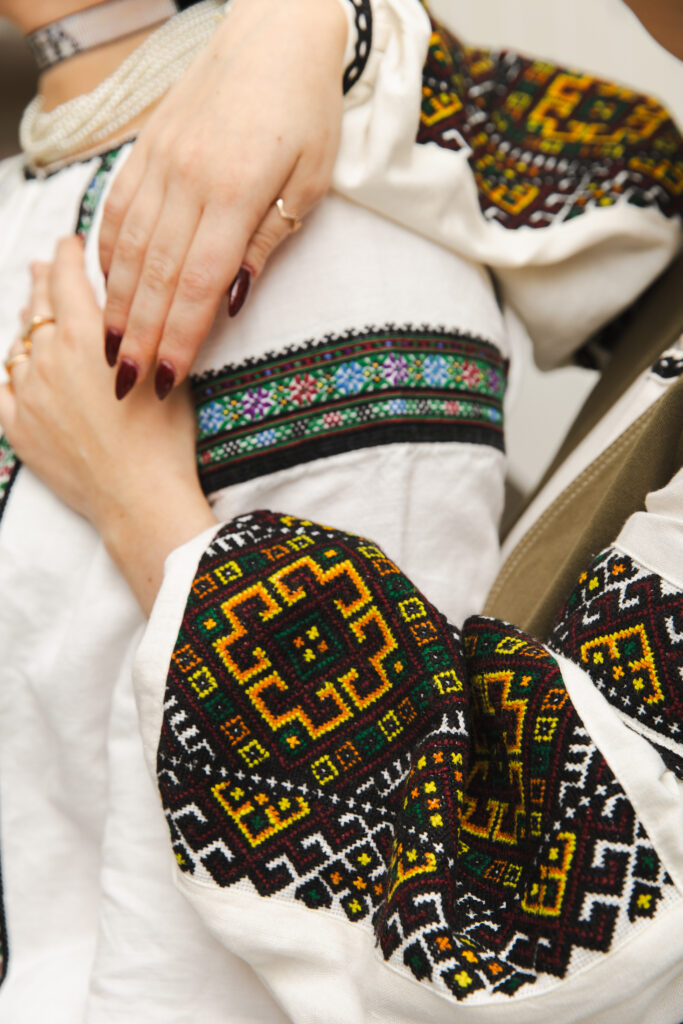
Of the six traditional colours in Ukrainian vyshyvanka (white, black, red, blue, yellow, and green), each brings a distinct meaning to the embroidery. Red, for example, represents love, joy, and luck, while black is associated with wisdom, sorrow, and, in some interpretations, the fertility of the land.
Understood together, all of these elements of the traditional vyshyvanka weave together the individual, personal, and the collective.
A single garment holds specific, personal memory, while also fitting into a larger context of region, tradition, language, and shared history and identity.
Contemporary Vyshyvanka
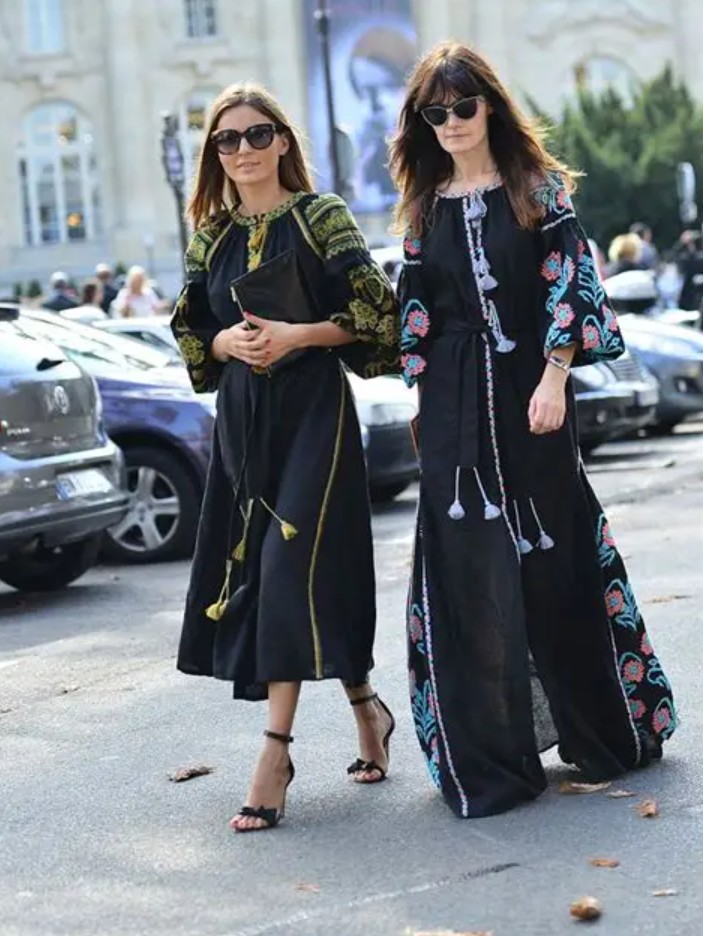
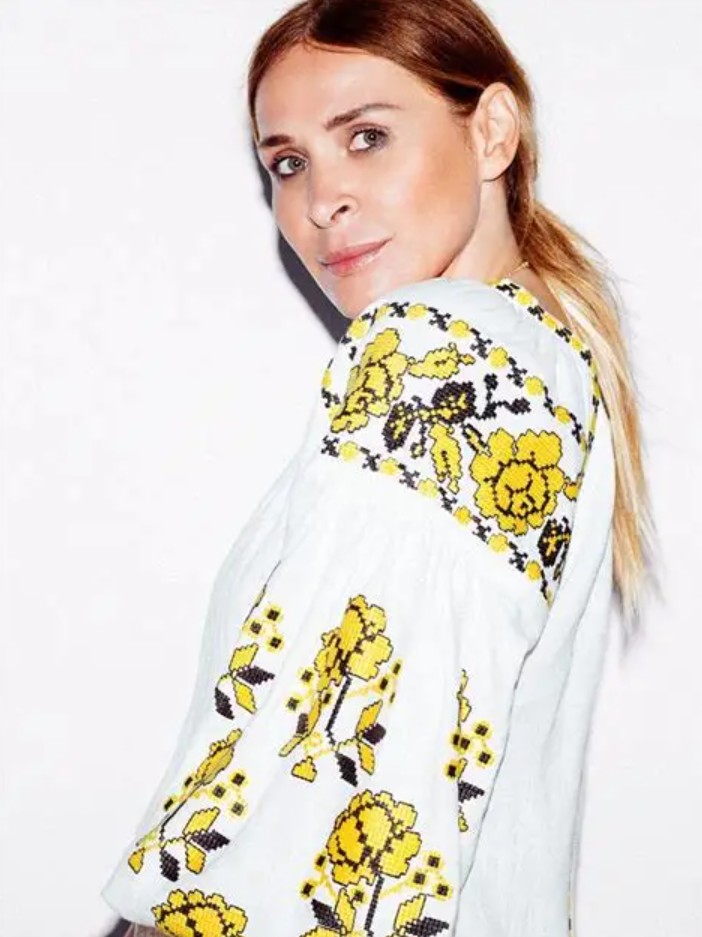
The vyshyvanka continues to appear and be worn in contemporary settings, both in its traditional forms and in everyday dress. It has also entered into the global fashion scene; designers have been inspired by traditional forms, drawing on historical, established contexts, while adapting and introducing them to modern audiences and contexts.
In 2015, Ukrainian designer Vita Kin brought the vyshyvanka into the centre of international fashion conversations with collections that were featured in Vogue and Harper’s Bazaar. Kin’s designs introduced a contemporary interpretation of the embroidered shirt, expanding the vyshyvanka’s presence in design throughout the world.
Vyshyvanka Day
Vyshyvanka Day pulls all of this culture, history, meaning, and symbolism into focus. Initiated in 2006 by Lesia Voroniuk at Chernivtsi National University, the event is originally celebrated on the third Thursday in May. It intends to unite Ukrainians regardless of language, religion, and location, to evoke a sense of national pride, and to educate on Ukrainian history and traditions.
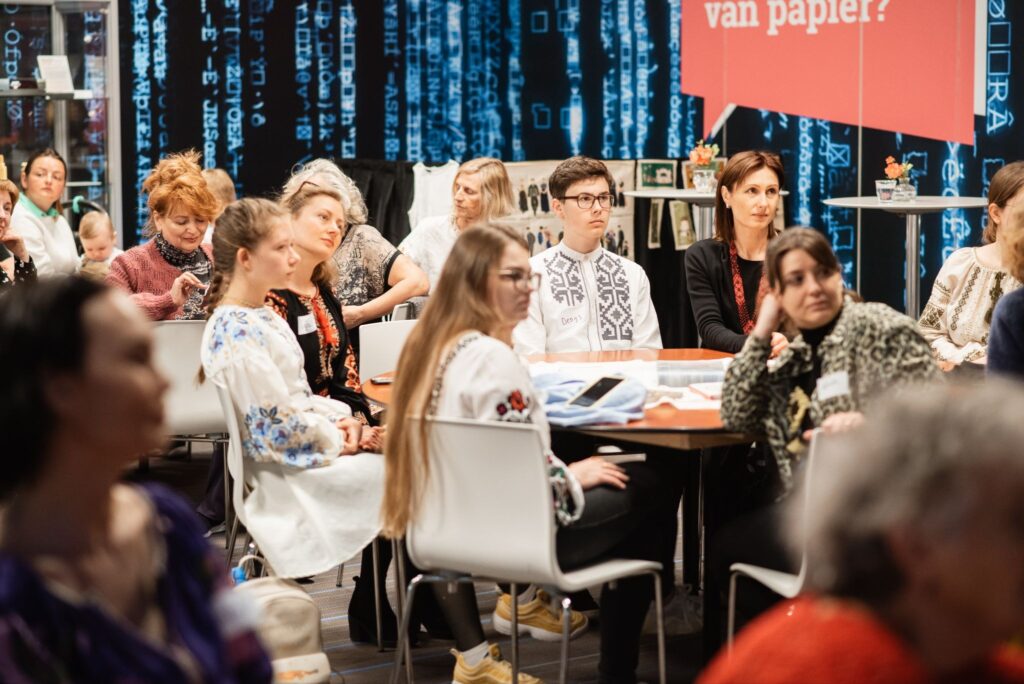
Vyshyvanka Day isn’t centred around one particular event, but instead can involve any number of organized workshops and celebrations of Ukrainian embroidery.
The vyshyvanka holds several layers (or threads, if you will) together at once. It is a garment shaped by regional tradition and history; a system of encoded patterns and stories; a protective and symbolic object; a record of continuity; and an object of national pride and unity.
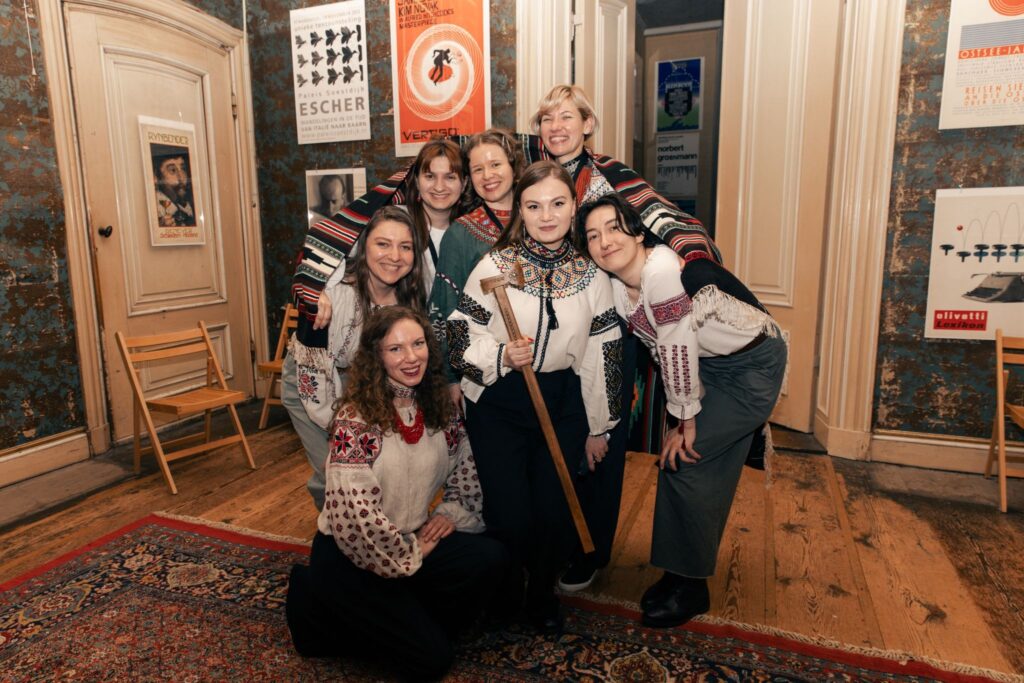
At VATAHA, we engage with the practices of the vyshyvanka through shared spaces and gatherings around Vyshyvanka Day. We facilitate and run workshops while encouraging conversations and cultural exploration that explore embroidery as both craft and cultural knowledge.
This year, VATAHA is hosting two Vyshyvanka Day events, in The Hague (May 20) and Rotterdam (May 23), with hands-on workshops and artistic performances. Join us in our celebration of heritage, artisanal craft and cultural identity!